Table of Contents
1. The Beaches Rival the Amalfi Coast (But Your Budget Won’t Suffer)
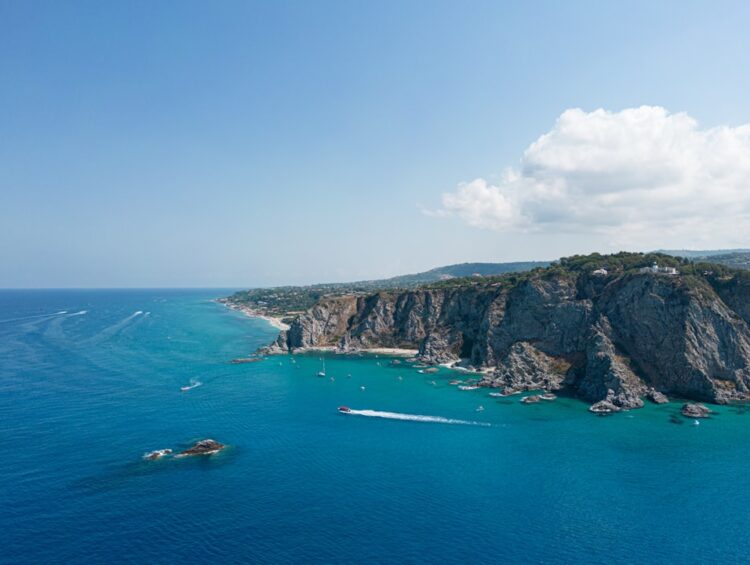
Calabria’s Tyrrhenian and Ionian coastlines stretch for 450 kilometers of crystalline waters, dramatic cliffsides, and golden-sand beaches that compete with any Mediterranean destination. Tropea, perched on a clifftop overlooking turquoise waters, rivals Positano’s beauty—except here, you’ll spend €40/night on a beachfront room instead of €400. The hidden Italian gems of Calabria’s coast include Scilla, where a Norman castle tumbles toward the sea, and Praia a Mare, where sea caves invite exploration. The Aeolian Islands are visible on clear days. Budget tip: Visit June or September for warm seas and fewer crowds than August. A beachfront pasta dinner with wine runs €12–15 per person, versus €45+ on the Amalfi Coast.
2. You’ll Eat Like a Local—Literally, For €8
Southern Italian cuisine reaches its apex in Calabria, where ‘Nduja (spicy spreadable pork), fresh seafood pasta, and handmade caciocavallo cheese define regional identity. Skip the tourist trattorie and eat where locals do: hole-in-the-wall family-run spots in Reggio Calabria’s Corso Garibaldi or in Catanzaro’s old town. A three-course lunch with house wine costs €8–12. Hidden Italian gems for food lovers include the Sila Plateau, where mountain cooking showcases wild mushrooms, boar, and aged cheeses. The Bergamot of Reggio—used in Earl Grey tea—is produced only here and transforms cocktails and desserts. Visit a working agriturismo (farm-stay) to learn pasta-making from nonnas who’ve been rolling dough for 60 years.

3. Ancient Greek History Without the Tourist Trap Prices
Calabria was part of Magna Graecia, and the Riace Warriors—two pristine bronze Greek statues from 460 BCE—sit in the Reggio Calabria museum, often called one of Italy’s greatest archaeological treasures. Unlike Athens or Rome, you’ll have near-silent contemplation of these 2,400-year-old masterpieces. Hidden Italian gems extend to lesser-known archaeological sites: Locri Epizefiri near the Ionian coast reveals a sprawling ancient Greek city in olive groves, entry €3. The museum entry in Reggio is €10 (versus €25+ for Rome’s major sites). Guides provide context missing from crowded European museums. The Calabrese people’s Greek heritage runs deep—ancient dialects persist in remote villages, and local food traditions trace directly to Classical times.
4. Charming Hilltop Towns Feel Frozen in Time
While Tuscany’s Val d’Orcia towns overflow with day-trippers, Calabria’s mountain villages—like Pentedattilo, Bova, and San Giorgio Morgeto—welcome visitors like old friends. Pentedattilo, literally meaning “five fingers” for its distinctive rock formation, is partially abandoned, creating an eerie, romantic atmosphere perfect for photographers. Bova, perched at 900 meters in the Aspromonte mountains, is home to the last speakers of Grecanico, an ancient Greek dialect. Hidden Italian gems like these charge minimal entrance fees (often free) and offer family-run guesthouses at €35–50/night. Local restaurants serve multi-course dinners for €15–20. Walking these stone-paved streets feels like time travel without the admission price.
5. You’ll Actually Have Conversations With Italians
Calabria’s tourism infrastructure remains refreshingly human-scaled. Fewer English speakers mean deeper cultural immersion—your broken Italian and their patient teaching create genuine connections. Cafés serve espresso to the same regulars for 40 years; you’ll become part of the fabric for a week. Tourism boards actively welcome visitors, offering free walking tours and introductions to artisans. Hidden Italian gems shine brightest through local relationships. Stay in family-run B&Bs, shop at neighborhood markets instead of supermarkets, and ask nonna about her life. This authenticity—tourism without the industrial tourism machine—is increasingly rare in Italy. You’re not checking boxes; you’re living.

Plan Your Calabria Escape
Calabria isn’t just a hidden Italian gems destination—it’s a correction to over-touristed Italy. Flights to Reggio Calabria are often cheaper than Rome, especially from Northern Europe. Stay 5–7 days to explore both coasts, mountains, and towns. Late April–May and September–October offer perfect weather. Book accommodations in village guesthouses rather than resort chains, eat at family restaurants, and resist the urge to Instagram every moment. Calabria rewards slow travel with authenticity that money can’t buy elsewhere in Italy.
Explore more on Travel – Scope Digest and browse our Destinations section.
Ready to escape the tourist trail? Lonely Planet’s Calabria guide offers deeper planning resources. Explore more European destinations on our site, or discover affordable travel strategies for maximizing your adventure budget.
Photo by Christian Wiebel on Unsplash