
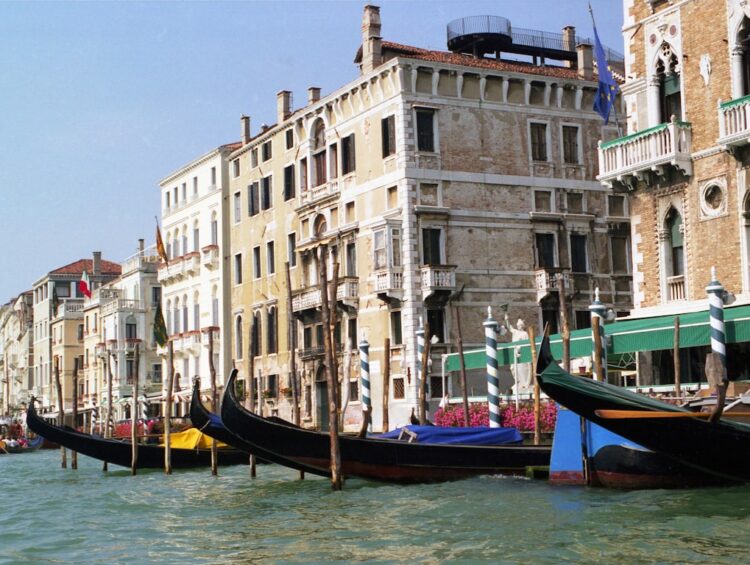
Overtourism destinations are reshaping the global travel landscape, and the impact is undeniable. From Venice’s sinking canals choked with cruise ships to Barcelona’s locals protesting mass tourism, beloved travel hotspots are buckling under the weight of visitor numbers. But here’s the truth: you don’t have to skip these places entirely. Instead, understanding overtourism destinations and how to navigate them responsibly can transform your trip from part of the problem into part of the solution.
Table of Contents
What Are Overtourism Destinations?
Overtourism destinations aren’t just popular—they’re overwhelmed. These are places where visitor numbers have exceeded the environment’s, infrastructure’s, or community’s capacity to handle them sustainably. Think of the Instagram-famous spots where you can barely move for selfie sticks, or the historic sites so packed that you see more tourist heads than architecture.
Classic overtourism destinations include Venice (35 million visitors annually to a city of 250,000), Barcelona’s Sagrada Familia, Machu Picchu in Peru, Bali’s beaches, and Thailand’s Phi Phi Islands. But overtourism destinations are expanding rapidly. Even lesser-known spots like the Faroe Islands and Portugal’s Sintra are now grappling with unsustainable visitor surges. The pandemic temporarily relieved pressure on many overtourism destinations, but numbers have since rebounded—sometimes exceeding pre-2026 levels.

The Real Cost of Overtourism Destinations
Before booking your trip to one of the world’s overtourism destinations, it’s worth understanding what your visit contributes to. The impacts are real and multifaceted:
Environmental damage: Overtourism destinations suffer from infrastructure strain. Venice’s foundations are literally crumbling under cruise ship weight. Popular hiking trails in New Zealand and Scotland are eroding faster than they can recover. Marine ecosystems around tourist hotspots like the Great Barrier Reef face bleaching from increased boat traffic and swimmers.
Cultural erosion: When overtourism destinations become theme parks of themselves, authentic culture disappears. Local businesses are replaced by chains targeting tourists. Residents are priced out or driven away. In Barcelona and Amsterdam, locals have begun staging protests, asking tourists to stay away.
Quality of experience: Here’s the selfish angle: you’ll have a worse time. Overtourism destinations are crowded, expensive, and often disappointing. You’ll spend more money for less authentic interaction. That perfect photo spot? It’ll take two hours to capture without strangers in it.
How to Visit Overtourism Destinations Responsibly
The good news? You can still visit overtourism destinations—you just need a strategy. Here’s how to minimize your impact:
Go off-season: This is the single biggest game-changer for overtourism destinations. Venice in November is magical. Barcelona in January has actual space to breathe. Yes, some attractions have reduced hours, but you’ll experience the real city. Research shoulder seasons (late autumn or early spring) when weather is still decent but crowds have thinned.
Stay longer, visit less: Instead of racing through three overtourism destinations in a week, spend four days deeply exploring one location. You’ll spend less money, reduce your carbon footprint from travel, and actually understand where you’re visiting. Depth beats breadth every time.
Use public transport: Overtourism destinations are congested partly because of taxis and tourist shuttles. Use local buses, trams, and trains. You’ll see how residents actually move through the city and reduce emissions.
Hire local guides: Money spent with independent local guides stays in the community rather than flowing to international corporations. You’ll also get authentic stories instead of scripted tourist spiel. Lonely Planet’s destination guides often recommend locally-owned tour operators.
Eat where locals eat: Venture beyond the obvious restaurant strips near major attractions. This supports genuine local businesses and often means better food at better prices. Ask your hotel staff or locals for recommendations—they’ll point you to neighborhood gems invisible to overtourism destinations’ typical guidebooks.

Timing and Alternative Routes to Popular Overtourism Destinations
Smart timing is your secret weapon at overtourism destinations. Most have predictable rush patterns:
Visit major attractions at unconventional times. In overtourism destinations like Rome or Paris, museums are quietest on weekday mornings right after opening. Many overtourism destinations have early-bird ticket windows or special evening hours with reduced crowds. Sagrada Familia in Barcelona, one of Spain’s most-visited overtourism destinations, has fewer visitors at dusk.
Consider nearby alternatives. If Santorini is your overtourism destination dilemma, nearby Paros and Naxos offer genuine Greek island experiences. Overwhelmed by overtourism destinations in Thailand? Skip Phuket and Pattaya for lesser-known islands like Koh Lanta or Koh Samui’s quieter beaches. These alternatives often deliver richer experiences at fraction of the cost.
Travel between overtourism destinations strategically. If you’re visiting both Venice and Florence (two major overtourism destinations), use trains during off-peak hours. Night trains are excellent for both convenience and reducing daytime congestion in overtourism destinations.
Where to Stay When Visiting Overtourism Destinations
Accommodation choices dramatically impact both your experience and local communities in overtourism destinations. The Airbnb boom has exacerbated housing crises in many overtourism destinations by converting residential units into short-term rentals, driving up prices and displacing locals.
Choose wisely: Stay in neighborhoods outside the tourist core of overtourism destinations. You’ll find better value, experience real local life, and help distribute tourism revenue. In Barcelona, staying in Gràcia or Sant Antoni rather than the Gothic Quarter means your money supports neighborhood businesses rather than tourist-trap restaurants.
Support independent hotels: Family-run guesthouses and boutique hotels in overtourism destinations often employ local staff and source from local suppliers. They’re usually more affordable than chains and provide genuine hospitality.
Consider house-sitting: Platforms like TrustedHousesitters let you stay free in residential homes while caring for pets. It’s economical, reduces demand for tourist accommodations in overtourism destinations, and provides genuine local connections.
Explore more on Travel – Scope Digest and browse our Destinations section.
Overtourism destinations aren’t disappearing—they’re just evolving. Your responsibility as a traveler is to engage thoughtfully. Choose timing strategically. Spend money with locals. Venture beyond the obvious. Stay longer in fewer places. These simple choices transform you from part of the problem into a conscious traveler who gets richer experiences while respecting the places and people you visit. The world’s most beautiful destinations need us to travel smarter. Ready to be part of the solution? Explore our responsible travel guides for deeper destination insights.
Photo by Michael Hamments on Unsplash