Table of Contents
Day 1: The Real Rome Starts in Testaccio, Not the Forum
Forget what the guidebooks tell you. Skip the historic centre on Day 1. Seriously. Everyone arrives, dumps their luggage, and sprints to the Colosseum. You’ll be one of 7,000 people that day. Instead, take Metro Line B directly to Testaccio—a working-class neighbourhood about 2km south of the city centre where Romans actually eat breakfast, buy groceries, and don’t speak English to tourists.
Stay in Testaccio if you can. A mid-range hotel like Hotel Sant’Anselmo (around €110/night) puts you far from the tourist crowds. Walk the neighbourhood before lunch. The Testaccio Market (Mercato di Testaccio) has been operating since 1870—it’s a proper food market, not a tourist trap. Grab fresh mozzarella, olives, and fruit for under €15 total. This becomes your snack ammunition for the next three days.
For lunch, eat at Flavio al Velavevodetto or Perilli—both family-run since the 1950s. A full meal with wine runs €18-22 per person, not €45. The pasta with guanciale (cured pork jowl) is better than anywhere near the Spanish Steps, and you’ll have actual Italians sitting next to you. At dinner, same neighbourhood: Oste della Birra serves €3.50 beers and €9 plates of cacio e pepe that’ll change how you think about pasta.
Why does this matter? You’ve just saved €60+ on meals compared to Centro Storico, and you’ve seen the Rome that exists beyond postcards. By nightfall, you’re not exhausted from queueing—you’re ready for the real work ahead.
Day 2: How the Insiders Guide Three Perfect Days Tackles the Big Sites
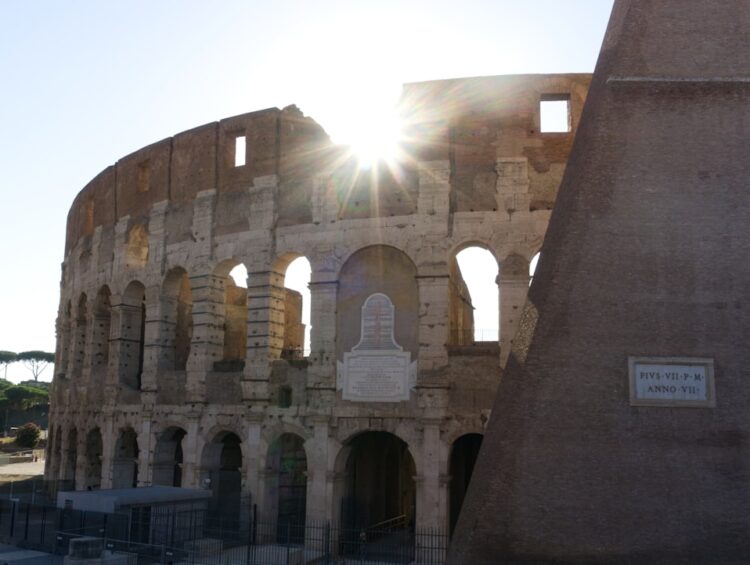
The insiders guide three perfect days doesn’t skip the Colosseum and Roman Forum—it just outsources the thinking. Here’s the exact strategy:
Book a skip-the-line tour the night before (€45-65 per person). Don’t book from your hotel reception—they take 30% commission. Go to Viator.com or Getyourguide.com and search ‘Colosseum skip-the-line.’ I recommend Walks of Italy’s groups (typically 12-15 people max, not 40+). You’ll meet the tour at 6:45 a.m. at Metro Colosseo. Yes, 6:45 a.m. is early. By 7:30 a.m., you’re inside the Colosseum with 200 people instead of 2,000. By 10 a.m., you’re done and the site is filling with midday crowds.
The tour typically includes the Forum and Palatine Hill (which is attached). Lunch near the Forum is a trap—every restaurant charges €35+ for mediocre food. Skip it. Walk 15 minutes to Monti neighbourhood instead. Grab a panini from Antico Forno di Roscioli (€7-9) and eat it in a quiet piazza. Save €40 per person.

Afternoon: the Vatican. This is where the insiders guide three perfect days beats the guidebooks. Book the Vatican Museums for 13:00 (1 p.m.) entry via the official website (musei.vaticani.va)—not through resellers. The official ticket is €19. Resellers charge €35-45 for the same ticket. Booking directly saves €16-26 per person, and it’s actually faster because you’re not waiting for a middleman.
The 1 p.m. slot is strategically perfect. Morning tourists are still there, but afternoon crowds haven’t arrived yet. You’ll navigate the Sistine Chapel with maybe 400 people instead of 1,200. Wear comfortable shoes—this is 2km of walking inside 7,000 rooms. Budget 2.5-3 hours. Plan to exit into St. Peter’s Basilica (free entry, but donations requested) around 4 p.m., when light is golden and crowds are thinning.
Dinner in the area immediately around the Vatican is overpriced theatre. Walk across the Tiber to Trastevere instead (10-minute walk, or 5 minutes on tram 8). Eat at Sora Margherita or Armando al Pantheon—you’ve just moved from tourist Rome to local Rome. Expect €20-28 for a full meal including wine.
Day 3: The Hidden Gem Strategy Nobody Mentions
By Day 3, you’re tired. Most tourists waste this day on queues for the Pantheon or Trevi Fountain (which is genuinely stunning but perpetually rammed—I once counted 47 people trying to take a selfie simultaneously). The insiders guide three perfect days uses Day 3 differently.
Morning: Villa d’Este in Tivoli. This isn’t Rome proper—it’s 30km east—but a train from Termini Station takes 25 minutes and costs €6.30 return. Villa d’Este is a 16th-century palace with 500 fountains. On a weekday morning in September or October, you might have entire rooms to yourself. It’s genuinely breathtaking, and you’ll avoid 60% of Rome’s crowds by leaving the city. Budget 3-4 hours. Return by early afternoon.
If Tivoli feels too far, substitute the Palazzo Altemps (€13 entry, near Piazza Navona). It’s a Renaissance palace housing classical sculpture. Most guidebooks skip it because it’s not Instagram-famous. That’s why you’ll have it mostly to yourself. The audio guide is excellent and included.
Afternoon: Galleria Borghese. This requires advance booking (borghesegallery.it), typically available 5-7 days ahead. Entry is €15, and only 360 people enter per day in timed slots. The collection is extraordinary—Titian, Raphael, Bernini sculptures—and you’ll move through at a human pace instead of a stampede. Book for 15:00 or 16:00 (3 or 4 p.m.). You’ll finish by 17:30, with the entire late afternoon in front of you.
Evening: Sunset walk. Climb Gianicolo Hill (free, 10-minute walk from Trastevere). You get a full view of Rome turning golden, with St. Peter’s in the distance. Bring a bottle of wine (€4-6 from any alimentari/corner shop) and cheese. Sit. Watch. Reflect. This costs €5 total and beats any restaurant view by a factor of ten.
Money and Time Hacks That Actually Work
Transport: Buy the Roma Pass 72 (€28) or skip it entirely. The Roma Pass gives unlimited metro/bus for 72 hours plus discounts at some museums. But if you’re strategic (which you are), you’ll take metro maybe 8 times total. Individual journeys cost €1.50 each. Eight journeys = €12. The pass saves you €16 but forces you to use transport you might not need. Skip it. Instead, use Google Maps offline (download Rome map before arrival) and walk. You’ll see more Rome and spend less money.
Food budget: €35-45/day if you eat properly. That’s breakfast (cornetto and espresso, €3-4), lunch (panini or trattoria, €10-14), snacks (market fruit, €3-5), and dinner (local restaurant, €18-22). Tourist restaurants charge €25-35 for a single course. Supermarkets like Carrefour Express exist on every block—grab a €5 salad and €2 wine if you’re on a tighter budget. Honest Italians do this regularly.
The App Strategy:
- Citymapper: Download offline maps for Rome. Shows walking routes, metro, and time estimates. Free.
- Splitwise: If you’re travelling with others, track shared costs in real time. Saves arguments later.
- Pic Collage: Doesn’t save money, but lets you plan outfit/photo shots before you arrive. Sounds frivolous—it’s actually useful for maximising your time.
- XE Currency: Shows real exchange rates. Don’t get caught by airport ATMs charging 8-12% fees. Use ATMs inside supermarkets (Carrefour, Conad) instead—they charge 1.5-2%.
The Booking Hack: Book accommodation on Booking.com, but before you confirm, check the hotel’s website directly. About 30% of the time, the hotel offers a lower price if you book direct (no platform commission). Takes 2 minutes to check.
The Real Cost Breakdown Nobody Discusses
Here’s what the insiders guide three perfect days actually costs versus what Instagram influencers claim:
What Influencers Say: “Three days in Rome for €300 total.” (This is possible only if you stay in a dorm with 10 people, never eat in a restaurant, and skip major sites.)
The Real Breakdown (Realistic Budget):
- Hotel (mid-range, 3 nights, Testaccio): €330 (€110/night)
- Colosseum skip-the-line tour: €60
- Vatican Museums (official ticket): €19
- Villa d’Este train + entry: €18
- Palazzo Altemps (if Tivoli swap): €13
- Galleria Borghese: €15
- Food (breakfast, lunch, dinner, 3 days): €120
- Metro/occasional taxis: €20
- Contingency (gelato, wine, museum visits you’ll discover): €50
Total: €645 per person for three days. (Not including flights or initial transport from airport.)
If you fly into Rome Fiumicino, the Termini Express train is €14 return. A taxi from airport is €48 but dangerous—use MyTaxi app (€35-42, booked in advance). Add €35 to your budget if flying in.
Where you actually save money: Skip the Trevi Fountain (it’s rammed, overpriced restaurants surround it). Skip the Spanish Steps (same problem). Skip organized evening wine tastings (€35-50 for 3 mediocre wines—buy your own for €15). These switches alone save €80-120 per person across three days.
For more information, see Lonely Planet.
The Honest Truth About Rome in 2026
Rome is crowded. It’s always crowded now. Pandemic restrictions ended, and tourist numbers have swung back hard—roughly 8.6 million visitors annually, with about 25,000 per day in peak season. No insiders guide three perfect days will magically empty the city. But strategic timing, neighbourhood choices, and booking discipline will buy you authenticity and breathing room when it matters.
The neighbourhoods mentioned (Testaccio, Monti, Trastevere) still feel like Rome. The major sites can still be navigated smartly. And if you eat where Romans eat, take the metro when everyone else is resting, and book tickets directly instead of through resellers, you’ll spend less and experience more than 85% of visitors.
One last tip: the insiders guide three perfect days works best if you avoid Sundays. The entire city closes between 13:00-16:00 for lunch/siesta, museums get chaotic, and restaurants are packed. If you can, land on a Thursday and leave Sunday morning. Saturday is acceptable. Sunday in Rome is genuinely frustrating unless you’re religious and attending mass at St. Peter’s.
At the time of writing (2026), visa requirements for US, UK, Australian, and Canadian citizens entering Italy for tourism (up to 90 days) remain visa-free under Schengen rules. Check your government’s latest travel advisories before booking.
Explore more on Travel – Scope Digest and browse our Destinations section.
Have you ever been ripped off by a skip-the-line scam at major Roman sites, or found a hidden neighbourhood that destroyed this guide’s assumptions? Tell us below.
Photo by Jonathan Göhner on Unsplash