Overtourism Hotspots: How to Travel Without Destroying What You Love
Overtourism hotspots are becoming an uncomfortable reality for some of the world’s most beloved destinations. Venice, Barcelona, Bali, and Machu Picchu aren’t just battling crowds anymore—they’re battling for survival. As global tourism surges and social media amplifies wanderlust, iconic places are being loved to death. But here’s the honest truth: you can still visit these destinations. You just need to be smarter about when, how, and why you go. This guide breaks down the crisis at overtourism hotspots and gives you practical ways to travel responsibly while still experiencing the wonder that made these places famous in the first place.
Table of Contents
What Are Overtourism Hotspots?
Overtourism hotspots are destinations receiving more visitors than their infrastructure, environment, and local communities can sustainably handle. Unlike regular popularity, overtourism creates genuine damage: crumbling infrastructure, polluted waterways, inflated prices that push out locals, loss of cultural authenticity, and wildlife disruption. The UN World Tourism Organization now tracks overtourism hotspots as a critical global issue.
The problem accelerated post-pandemic. After lockdowns lifted, pent-up travel demand exploded. Budget airlines made previously remote destinations accessible. Instagram made them irresistible. And now, many classic overtourism hotspots are implementing strict visitor caps, higher fees, and reservation systems to manage the chaos.
The Most Critical Overtourism Hotspots Right Now
Venice, Italy
Venice tops the overtourism hotspots list globally. Pre-pandemic, 30 million visitors annually wandered its 118 islands. The constant foot traffic accelerates flooding, damages foundations, and reduces locals from 270,000 (1951) to under 50,000 today. As of 2026, Venice now charges €5 day-visitors an entry fee and caps daily arrivals. Plan off-season visits (November–February) or stay overnight to experience the city as residents do.
Barcelona, Spain
Barcelona’s overtourism hotspots problem hit crisis level when locals staged ‘tourists go home’ protests. Eight million annual visitors overwhelmed neighborhoods like Gothic Quarter. Airbnb listings exploded, pricing out residents. Barcelona now restricts short-term rentals and caps cruise ship arrivals. Visit March–May or September–October instead of summer.
Bali, Indonesia
Once a spiritual escape, Bali has become a party destination drowning in tourists. Beaches are choked with visitors, rice terraces trampled, temples commodified. Water shortages plague locals while tourists demand unlimited swimming pools. Consider visiting lesser-known Indonesian islands (Lombok, Flores, Sulawesi) for similar beauty without the crowds.
Machu Picchu, Peru
Machu Picchu welcomed 1.5 million visitors annually at peak tourism. The Inca Trail itself became a conveyor belt. Peru now requires timed entry tickets and limits daily visitors to 2,500. Book 4–6 months ahead and consider alternative treks like Salkantay or Lares routes.
Amsterdam, Netherlands
Cannabis cafes and party tourism transformed Amsterdam into a stag-do destination. The city plans to discourage tourism by raising hotel taxes and limiting Airbnbs. Explore the quieter Friesland province or visit quieter Dutch cities like Utrecht or Leiden instead.
How Overtourism Hotspots Damage Local Communities
The impact of overtourism hotspots extends far beyond Instagram complaints. Here’s what actually happens:
- Housing Crisis: Locals can’t afford rent as properties convert to tourist accommodation. Barcelona lost 21% of its resident population since 2000 as overtourism hotspots drove up prices.
- Environmental Breakdown: Venice’s lagoon is dying. Bali’s beaches choke with plastic. Trails erode faster than they repair. Freshwater depletes as tourists demand endless amenities.
- Cultural Erasure: Authentic traditions become performances. Local restaurants vanish, replaced by tourist traps. Languages fade as younger generations migrate elsewhere.
- Infrastructure Collapse: Water systems, sewage, roads—designed for 10,000 residents—now handle 100,000 daily visitors. The damage compounds exponentially.
- Economic Inequality: Tourism dollars rarely reach locals. Multinational chains dominate; small family businesses close. Workers earn poverty wages serving wealthy travelers.
Visiting overtourism hotspots isn’t inherently selfish—but visiting thoughtlessly is. The key is traveling with intention and respect.
Smart Strategies for Visiting Overtourism Hotspots
Go During Shoulder Seasons
If you must visit major overtourism hotspots, avoid peak summer (June–August). Travel March–May or September–November instead. You’ll encounter fewer crowds, lower prices, better weather than winter, and experience destinations more authentically. Locals have breathing room, and your environmental footprint shrinks instantly.
Skip the Main Attractions (Sometimes)
Everyone photographs the Eiffel Tower. Not everyone explores Paris’s Canal Saint-Martin or the Marais neighborhood. Same principle applies to all overtourism hotspots: venture beyond the Instagram hotspots. Hire local guides who’ll show you neighborhood gems tourists miss. Your photos will be more interesting anyway.
Stay Longer in Fewer Places
Hit-and-run tourism fuels overtourism hotspots. Instead of visiting Venice for four hours, stay three nights. Instead of one day in Barcelona, spend five days exploring different neighborhoods. Longer stays let you slow down, eat where locals eat, learn the rhythms of place, and spread your spending across small businesses rather than chain tourist traps.
Book Experiences Over Attractions
Rather than joining 4,000 people at Machu Picchu, book a cooking class in a Peruvian village. Money goes directly to locals; you gain cultural understanding. Look for certified local experience providers on platforms that prioritize fair wages and genuine cultural exchange.
Support Local, Not Chains
Eat at family-run restaurants. Buy from independent artisans. Stay at locally-owned guesthouses. Your euros/dollars directly support families fighting to stay in their hometowns. It costs marginally more but matters exponentially more to actual people.
Respect Physical Boundaries
Don’t stand on sacred temple walls for photos. Don’t touch wildlife or damage coral. Don’t leave trash. Simple? Yes. Widely practiced? No. Be the traveler who leaves places better than you found them.

Beautiful Alternatives to Overtourism Hotspots
Sometimes the smartest move is choosing destination alternatives entirely:
- Instead of Venice: Visit Burano (nearby island with colorful houses, fraction of crowds) or explore the Dalmatian Coast (Croatia).
- Instead of Barcelona: Try San Sebastián, Spain—equally beautiful, world-class food scene, local vibe intact.
- Instead of Bali: Discover Ubud’s sister towns (Sanur, Kuta’s quieter beaches) or island-hop to Gili Islands or Nusa Tenggara.
- Instead of Machu Picchu: Trek Salkantay Trail, visit Choquequirao (harder to reach, more rewarding), or explore Sacred Valley towns.
- Instead of Amsterdam: Head to Ghent, Belgium or explore smaller Dutch towns like Delft or Gouda.
These alternatives aren’t worse—they’re often better. They’re cheaper, more authentic, less crowded, and your visit actually benefits the local economy rather than overwhelming it.
For more information, see Lonely Planet.
The Bottom Line on Overtourism Hotspots
Overtourism hotspots are a symptom of our hyperconnected world. They won’t disappear overnight. But you have agency in how you travel.
Yes, visit Venice. Yes, see Machu Picchu. But go thoughtfully: choose off-seasons, stay longer, support locals, respect boundaries, and consider alternatives. Tourism can be a powerful force for good—funding conservation, supporting livelihoods, fostering cross-cultural understanding. Or it can destroy the very places we love.
You get to decide which kind of traveler you are. Choose wisely.
Explore more on Travel – Scope Digest and browse our Destinations section.
Ready to plan a responsible trip? Check Lonely Planet’s sustainable travel guide for more destination-specific strategies.
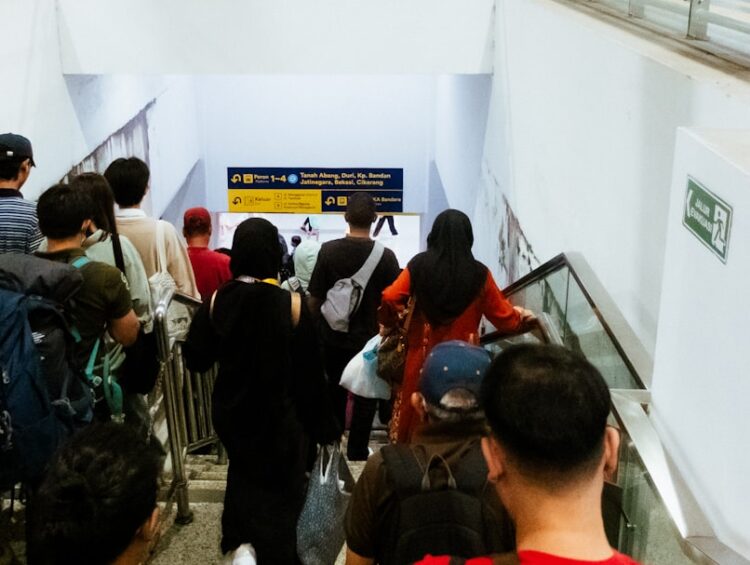
Photo by David Kristianto on Unsplash