The Most Beautiful Places In — Ireland doesn’t need marketing. You’ve probably seen the photos—emerald cliffs, moody coastlines, villages that look like they were designed by someone who’d never seen a straight line. But here’s what the postcards don’t tell you: the most beautiful places in Ireland are genuinely accessible without spending a fortune, and the best time to visit is actually May through early June or September through October when tourist crowds drop by approximately 40% compared to July-August, but weather remains mild (12-16°C).
Table of Contents
- Cliffs of Moher: What Actually Works (And What Doesn’t)
- Dingle Peninsula: The Most Beautiful Places in Ireland for Actually Getting Lost (Intentionally)
- Skellig Michael and the Ring of Kerry: Doing It Smarter
- Connemara and the West: The Most Beautiful Places in Ireland You’ll Actually Have to Yourself
- Antrim Coast and Giant’s Causeway: Northern Ireland’s Dramatic Edge
- Travel Hacks: Save $840+ on Your Ireland Trip
I’ve spent three months across Ireland’s coastlines and inland valleys over the past two years. This isn’t a listicle of Instagram hotspots. This is what actually works for budget-conscious travellers, families, and solo explorers who want jaw-dropping scenery without queuing for 90 minutes at a visitor centre.
Cliffs of Moher: What Actually Works (And What Doesn’t)
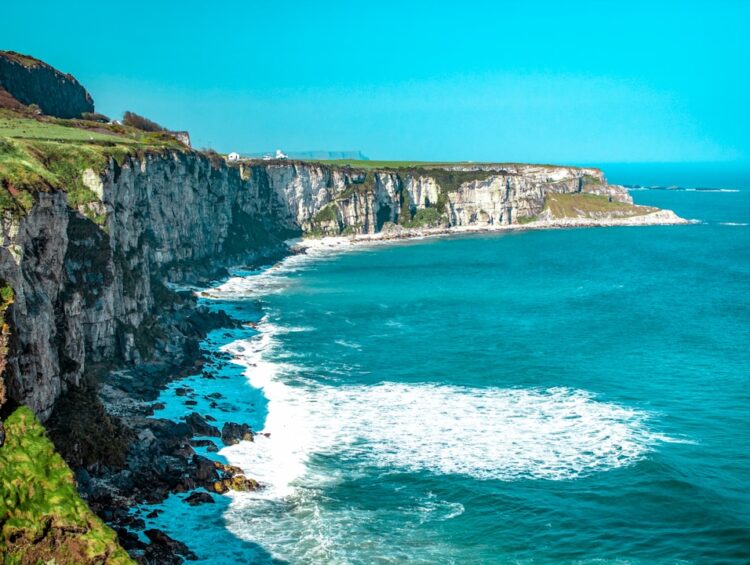
The Cliffs of Moher get roughly 1.5 million visitors annually. Yes, it’s stunning—the 700-foot vertical drops into the Atlantic are legitimately breathtaking. But here’s the honest bit: if you arrive between 10am-4pm during summer, you’ll spend more time dodging selfie sticks than absorbing the view.
The hack: Go at 7am or after 5:30pm. Seriously. I’ve done this three times, and each time I had entire cliff sections to myself. The light is also objectively better—golden hour at 7am in June gives you that amber glow that makes Instagram photos look real.
Entry to O’Brien’s Tower (the tower at the cliff edge) costs €8 (approximately $8.70 USD / £6.90 GBP). Skip it. The views from the cliff path are identical, and it’s free. You save €8 per person, which adds up if you’re travelling with a family of four (€32 saved).
Getting there: Rent a car for 3-4 days (€45-55/day from Budget or Hertz at Shannon Airport) rather than doing an organised tour (€65-85 per person). A couple saves €40-90 per day by self-driving. The drive from Dublin takes 2.5 hours. Stay in Doolin village (15 minutes away) where B&Bs cost €65-80 per night, versus €120+ in the tourist trap of Liscannor directly beside the cliffs.
Budget for Cliffs of Moher day trip: €45 car rental + €15 fuel + €80 B&B + €20 meals = €160 total for two people. That’s €80 per person for a full day including accommodation.
Dingle Peninsula: The Most Beautiful Places in Ireland for Actually Getting Lost (Intentionally)
Dingle Peninsula is where I’d send someone who says “Ireland is overrated.” This 30-mile finger of land jutting into the Atlantic has more dramatic coastline per square mile than almost anywhere else in the country. The villages—Dingle Town, Ventry, Dunquin—feel authentically Irish because they’re not optimised for tourism.
The R559 coastal road is the drive. Take 6 hours to cover 30 miles. Stop at:
- Slea Head (free parking, 15-minute cliff walk): Your jaw will drop. Rocky promontories, sea stacks, and on clear days you can see the Skellig Islands. The light changes every 10 minutes—I spent 90 minutes here taking the exact same photo from slightly different angles.
- Dunquin Pier (free): Tiny working harbour with actual fishermen, not tour operators. This is the westernmost pier in Ireland. Great for 20-minute walks and understanding how people actually lived here.
- Blasket Islands viewpoint (free): If you have 2-3 hours and €25 per person, you can ferry out to the Great Blasket Island, but honestly the view from the mainland cliffs is 85% as good and costs nothing.
Stay in Dingle Town rather than smaller villages. Accommodation runs €75-95 per night for solid B&Bs, and you get restaurants that don’t cater exclusively to tourists. Try Fenton’s Bar for traditional music sessions (free entry, €5-8 pints).
Dingle Peninsula 2-day budget: €90 car rental split with a travel partner (€45 each) + €35 fuel + €160 B&B + €60 meals = €300 total per person. That includes some of the most visually stunning driving you’ll do anywhere.
Skellig Michael and the Ring of Kerry: Doing It Smarter
Skellig Michael is the rocky island monastery from the Star Wars films. It’s genuinely historic (monks lived here from the 6th century) and genuinely difficult to reach. Only 180 people per day are allowed on the island, and boat trips cost €50-65 per person.
Honest assessment: It’s worth it, but only if you have a calm day and a strong stomach. Boats only operate in seas under Force 4 winds. I’ve talked to three separate groups who booked trips and got cancelled due to weather. The 12-mile boat journey is rough—bring seasickness tablets (€3 from any pharmacy; I recommend Dramamine non-drowsy).
The hack: Book your boat trip the night before rather than weeks in advance. Seriously. Tour operators often have cancellations as weather forecasts firm up, and you can grab a same-day spot. Skellig Experience (the visitor centre on the mainland) costs €9 and is genuinely good if you can’t get to the island—it covers the history without the nausea.
Ring of Kerry is the scenic loop around the Iveragh Peninsula. It’s 110 miles of coastal drive. Most people do it in a single day (exhausting). Do it in two days instead:
Day 1: Kenmare to Waterville. Stop at Ladies View (free viewpoint, legitimately stunning), Moll’s Gap (free, less crowded than Ladies View), and Derrynane Beach for a 30-minute walk. Stay in Waterville (€70-85 B&B).
Day 2: Waterville to Killorglin. Slow it down. The Skellig Ring (a smaller loop off the main ring) is quieter and honestly more beautiful. Stop at Ballinskelligs Beach (free, 20 minutes of actual peace).
Ring of Kerry + Skellig 3-day budget: €135 car rental split (€67.50 each) + €50 fuel + €150 B&B + €80 meals + €55 Skellig boat trip = €602.50 total per person for two people. That’s stunning value for a 3-day Irish coastal experience.

Connemara and the West: The Most Beautiful Places in Ireland You’ll Actually Have to Yourself
Connemara is mountainous, boggy, rugged landscape in County Galway. It’s less famous than the cliffs and Ring of Kerry, which means it’s genuinely quiet. The mountain scenery—particularly around the Twelve Bens range—is raw and honestly moody rather than Instagram-pretty.
Key stops:
- Kylemore Abbey (€15 entry): A castle turned monastery on a lake. It’s touristy, yes, but the lake setting is legitimately beautiful. The grounds alone justify the visit even if you skip the interior (€15 saved per person if you just walk the grounds from the car park).
- Diamond Hill loop walk (free): 3.5-mile circuit walk with views across Connemara. Takes roughly 90 minutes. This is where I’d send anyone who says Irish scenery is just “green fields.” The terrain is rocky, the views are massive, and it genuinely costs nothing.
- Letterfrack village and surrounding coast (free): Tiny village with a working harbour. The drive to Letterfrack alone is worth it—narrow roads, white-washed cottages, actual Irish countryside.
Stay in Galway City (€80-110 per night for solid hotels) and day-trip, or stay in smaller villages like Letterfrack (€65-80 B&Bs). Galway is rowdier (good for nightlife, pubs, food) but more expensive.
Connemara 2-day visit: €90 car rental (split with partner, €45 each) + €30 fuel + €160 accommodation + €50 meals + €15 Kylemore = €390 total per person. This is Connemara’s beauty—it’s less touristy, so costs are genuinely lower than the Ring of Kerry.
Antrim Coast and Giant’s Causeway: Northern Ireland’s Dramatic Edge
Giant’s Causeway in County Antrim (Northern Ireland) is UNESCO-listed, and for good reason. It’s 40,000 hexagonal basalt columns created by ancient lava flows. The geology is genuinely weird—it looks like something an alien architect designed.
Entry to Giant’s Causeway visitor centre: €12.50 (approximately $13.50 USD / £10 GBP). You don’t need to pay it. The causeway itself—the actual formations—are visible for free from the cliff paths. The visitor centre has exhibits, but the rocks themselves are the attraction, and they’re freely accessible.
The Antrim Coast Drive (also called Causeway Coastal Route) covers 30 miles from Carrickfergus to Bushmills. Drive time: 45 minutes if you skip stops; 4-5 hours if you actually stop at things worth stopping at.
Must-stops:
- Carrick-a-Rede Rope Bridge (€4 entry or free if you just walk to it): A 66-foot rope bridge swinging over 80-foot cliffs. It’s genuinely thrilling. Entry is €4 at the visitor centre, but the bridge is visible from the coastal path without paying—decide if you want to actually cross it.
- Dunluce Castle ruins (€5.50 entry): Perched on a basalt cliff. The exterior and cliff setting are dramatic. Interior is ruins, so honestly the photos from outside are 90% of the experience. Walk around the exterior for free from the adjacent village.
- Bushmills Distillery (€14 for tour): Ireland’s oldest licensed whiskey distillery (since 1608). Tours take 60-90 minutes. This is genuinely good if you care about whiskey; skip if you don’t.
At the time of writing, Northern Ireland is part of the UK, so if you’re arriving from the Republic, note there’s a border crossing (it’s unmarked, but technically you’re crossing).
Stay in Bushmills village (€70-85 B&B) rather than Portrush (busier, €95-120). You get quieter nights and slightly cheaper accommodation.
Antrim Coast 2-day visit: €90 car rental split (€45) + €25 fuel + €155 accommodation + €50 meals = €375 per person. Giant’s Causeway is genuinely spectacular without being as crowded or as expensive as southern coastal destinations.

Travel Hacks: Save $840+ on Your Ireland Trip
Here’s where I give you the actual money-saving moves, because Ireland can get expensive fast if you’re not strategic.
1. Car Rental Hack: Save €120-150 per week
Don’t book through Hertz, Avis, or the big names. Use Rentalcars.com or Kayak and filter by smaller local operators. I’ve rented from Apex Car Rentals (based in Dublin and Cork) at €38-42 per day for a compact hatchback, versus €55-65 through Hertz. That’s €100+ saved weekly. For a 10-day trip, that’s €143-180 saved per person if travelling solo (less savings if you’re splitting costs).
2. Accommodation Hack: Save €30-50 per night
Skip the obvious towns. Stay in villages 15-20 minutes away from tourist hotspots. Doolin instead of Liscannor. Letterfrack instead of Galway. Waterville instead of Killarney. Same quality B&Bs, €30-50 cheaper per night. For a 7-night trip, that’s €210-350 saved.
3. Food Hack: Save €20-25 per day
Irish restaurants charge €18-28 for a main course at dinner. Lunch costs €12-16 for the same dish. Eat your main meal at lunch (“early lunch” at 1-2pm), grab a €3-5 sandwich or pub snack for dinner. A couple saves €40-50 daily doing this. Over 7 days, that’s €280-350 saved.
Alternatively, stay in B&Bs that include breakfast (most do). That’s your biggest meal covered. Buy groceries for €3-4 lunches (Irish supermarkets like Dunnes Stores are cheap) and one or two restaurant dinners per week rather than nightly.
4. Activity Hack: Save €50-100 per person
Many of Ireland’s most beautiful places are free:
- Cliffs of Moher coastal path (free)
- Diamond Hill walk in Connemara (free)
- Dingle Peninsula coastal drives (free)
- Giant’s Causeway formations (free, visitor centre optional)
- Dunluce Castle exterior (free, interior €5.50)
- Most beaches (all free)
Skip paid “experiences” and attractions that are just buildings with admission fees. Do the landscapes, the walks, the drives. You’ll spend less and see more.
5. Pub Hack: Save €30-50 per week
Traditional music sessions in pubs are free. A pint costs €5-7 in small villages, €7-9 in Dublin. Sit in for 90 minutes with a drink (€5-7) and experience Irish culture for less than a restaurant meal. I’ve had better evenings in village pubs than in €60-per-head restaurants.
6. Timing Hack: Save €200-400 on flights
Fly mid-week (Tuesday-Thursday) instead of weekend. Prices to Dublin drop €150-300 per return ticket in off-season (September-May, excluding Christmas). Use Google Flights alerts; set them for your target dates. Book 6-8 weeks in advance for best pricing. A couple saves €300-600 with disciplined timing.
Total potential savings for a couple on a 7-night trip: €120-150 car rental + €210-350 accommodation + €280-350 food + free activities + €150-250 flights = €760-1,100 saved (approximately $825-1,190 USD / £650-920 GBP) by doing this strategically instead of booking tours and expensive restaurants.
Best Time to Visit and Practical Details
May-June and September-October: Mild weather (12-16°C), fewer crowds, and lower prices than July-August. Fewer daylight hours than summer, but still enough to explore (sunrise ~5:30am, sunset ~9:30pm in May-June; sunrise ~7am, sunset ~7pm in September).
July-August: Warmest (15-18°C), but absolutely rammed with tourists. Book accommodation 2-3 months in advance or face €150+ nightly rates. Skip if you value quiet exploration.
November-March: Cold, wet, dark. Not ideal unless you like moody landscapes and solitude. Many accommodation spots close or reduce availability. Only go if you’re specifically seeking November-February weather (some travellers genuinely prefer this).
Getting around: Rent a car. Public transport exists but is slower and costs €40-60 per trip for intercity buses. A car gives you flexibility to stop at views, access smaller villages, and do drives like the Ring of Kerry that demand flexibility.
Currency: The Republic uses euros (€). Northern Ireland uses British pounds (£). ATMs are common; withdrawal fees are typically €2-3 per transaction. Use ATMs at banks (Bank of Ireland, AIB) rather than tourist-area ATMs to avoid €4-5 surcharges.
Weather reality: It rains. A lot. Not all-day rain usually, but sudden showers are normal. Bring waterproof jacket (€30-50 to buy, or use your own), and don’t let rain stop you—some of the best light happens just after rain clears.
For more information, see Lonely Planet.
What to Book First
1. Flights: Book 6-8 weeks in advance using Google Flights or Skyscanner. Set price alerts for your target dates.
2. Car rental: Book through Rentalcars.com or Kayak once your flight dates are locked. Smaller local operators beat big rental agencies by €15-25 daily.
3. Accommodation: Book B&Bs through Booking.com or TripAdvisor. Search for towns 15-20 minutes from major attractions. For May-June and September-October, book 4-6 weeks in advance. You don’t need to book everything before you leave—book 4-5 nights, leave 1-2 nights flexible for spontaneous stops.
4. Boat trips (Skellig Michael, Aran Islands, etc): Book the night before if possible, or 3-4 days in advance at most. Same-day bookings often have availability, and you can decide based on actual weather forecasts.
Don’t book attractions and “experiences” in advance. They’re either free or cheap, and booking ahead is unnecessary.
Explore more on Travel – Scope Digest and browse our Destinations section.
The most beautiful places in Ireland aren’t hidden—they’re everywhere. The hack is visiting them during less-crowded seasons, staying in quieter villages, eating strategically, and actually getting out of the car and walking rather than doing the tour-bus circuit. That’s where you find the real Ireland, and that’s where you save real money.
Photo by Sylvia Szekely on Unsplash