Table of Contents
- 1. Tsukiji Outer Market Morning Tour with a Sushi Instructor
- 2. Asakusa Tempura and Sake Pairing Experience
- 3. Shibuya Late-Night Izakaya Food Tour and Ramen Hunt
- 4. Depachika Gourmet Food Hall Hunt in Shinjuku
- 5. Chiyoda Kaiseki Dinner Class with a Professional Chef
- 6. Shinjuku Neon Alley Street Food and Sake Bar Crawl
1. Tsukiji Outer Market Morning Tour with a Sushi Instructor
This is the real deal if you want an Airbnb Experiences Tokyo food tour that teaches you actual skills. You’ll start at 6:30 AM—yes, early, but that’s when the outer market in Tsukiji actually comes alive. The inner market closed in 2018, but the outer market still moves around 1,800 vendors every single day. Your guide is typically a retired sushi chef with 25+ years at a real sushi counter, not someone who took a weekend course.
Expect to spend $185–220 per person for a 4-hour tour. You’ll learn the difference between farmed and wild tuna (wild is grainier, darker, more expensive), how to spot a fresh fish’s eyes (they should be clear and bulging, not cloudy), and why the fish from Hokkaido costs 40% more than Kyushu fish. Then you’ll return to a small kitchen—usually someone’s home studio or a rented teaching space in Minato Ward—and actually make nigiri. By hour three, you’ll have crafted 8–10 pieces yourself. The instructor will gently roast your technique while tasting your work.
Honest take: it’s cold in the market (even in summer, the ice keeps it around 12°C/54°F), and you’ll be standing for 90 minutes. Wear proper shoes. Also, this tour books out 6–8 weeks in advance, so plan ahead.
2. Asakusa Tempura and Sake Pairing Experience
Asakusa is packed with tourists, but here’s the local secret: the real tempura shops are 4–5 blocks east of Senso-ji Temple, down the narrow streets where the souvenir shops thin out. This Airbnb Experiences Tokyo food tour pairs you with a tempura specialist who teaches you the 300-year-old technique in a working kitchen.
The experience runs 3 hours and costs $175–210. You’ll learn why tempura batter needs ice water (it keeps gluten development minimal, making the coating lighter), why you fry at exactly 170°C/338°F (not a degree higher—it browns too fast), and which vegetables are in season right now. At the time of writing, March sees new bamboo shoots, April brings spring peas, and September brings mushrooms and shrimp. The sake pairing is usually with 3–4 small-batch bottles from prefectures you’ve never heard of (Gifu, Nagano, Yamanashi).
What makes this different: you actually fry. You’ll prep 6–8 pieces—shrimp, eggplant, shiitake, kabocha squash. Your teacher will stand beside you and adjust your hand position, your timing, your dipping angle. Most people get it right by piece five. Then you eat everything you’ve made while your instructor opens a cold sake that costs roughly ¥4,500 ($38 USD equivalent) per bottle.
3. Shibuya Late-Night Izakaya Food Tour and Ramen Hunt
Skip the daytime Shibuya Crossing tour. Instead, book this evening Airbnb Experiences Tokyo food tour that starts at 7 PM. You’ll hit 3–4 izakayas that locals actually use—the kind where salarymen drink cheap beer and eat grilled chicken hearts for ¥800 ($5.40). Your guide is someone who’s lived in Shibuya for 12–18 years and genuinely knows the owners.
The tour costs $140–180 and includes 6–8 small dishes plus 2–3 drinks (beer, highball, or sake—your choice). You’ll eat yakitori (grilled chicken skewers) from a vendor on Nonbei Yokocho, a tiny alleyway with 6 bars packed into 50 meters. Then you’ll move to a proper izakaya serving toro fatty tuna, tamagoyaki (sweet egg omelette), and grilled shiitake. By 9:45 PM, you’ll finish at a ramen shop that opens at 9 PM and serves tonkotsu (pork bone broth) that’s been simmering since 8 AM.
Real talk: you’ll be drunk-adjacent by the end, and the alleyways get crowded. Don’t go if you’re exhausted. Also, many izakayas don’t accept cards—bring cash (bring approximately ¥15,000/$100 extra, just in case).

4. Depachika Gourmet Food Hall Hunt in Shinjuku
Depachika (デパ地下) means basement food hall, and Shinjuku’s are absolutely insane. The experience tours 3–4 major depachika (Isetan, Mitsukoshi, Odakyu) and teaches you how to read Japanese labels, identify regional specialties, and spot counterfeit versus authentic products. This is a 2.5-hour Airbnb Experiences Tokyo food tour that costs $120–155.
Your guide is usually a food journalist or someone who works in the food industry. They’ll show you why Hokkaido butter costs ¥2,400 ($16) while standard butter is ¥600, the difference between three types of soy sauce (light, dark, and aged for 10+ years), and how to identify genuine matcha versus the cheap powder that’s 60% sugar. You’ll taste 8–12 samples: miso from Nagano, wasabi from Shizuoka, yuzu citrus from Kochi, and sake from Niigata.
Best time to go: Tuesday–Thursday, 2–5 PM. Weekends are absolute madness (I’ve seen 800+ people in a single depachika on Saturday). This tour works brilliantly if you’re jet-lagged and want to stay near major train stations.
5. Chiyoda Kaiseki Dinner Class with a Professional Chef
Kaiseki is Japan’s haute cuisine, and it’s utterly unforgiving—14 courses, seasonal ingredients, strict plating rules. This Airbnb Experiences Tokyo food tour teaches you the fundamentals in a proper kitchen, usually in Chiyoda Ward near the Imperial Palace area. The experience runs 4 hours and costs $240–320.
You’ll prep 4–5 dishes with a chef who trained for 8+ years: a seasonal soup, grilled fish with daikon radish, braised vegetables, and a rice course. The instructor will explain why you cut the daikon at a 45-degree angle (it increases surface area for flavor absorption), why presentation matters more than quantity (you’re building a narrative across the plate), and how to taste intentionally. By the end, you’ll have a 5–7 course meal to eat, plus handwritten notes on technique and ingredient sourcing.
This is pricey, but genuinely transformative if you’re interested in Japanese food culture beyond just eating. Book 8+ weeks ahead.
6. Shinjuku Neon Alley Street Food and Sake Bar Crawl
Memory Lane (Omoide Yokocho) in Shinjuku is famous, but it’s also where groups of 12 show up with selfie sticks. This Airbnb Experiences Tokyo food tour hits the smaller, actually-local neon alleys: Hanazono Shrine’s street vendors, hidden yakitori spots in Kabukicho East, and a speakeasy-style sake bar run by someone’s grandmother. The tour is 3 hours, $155–190, and starts at 6 PM.
You’ll eat okonomiyaki (savory pancake) cooked on a 70-year-old griddle, fried gyoza (dumplings), and street takoyaki (octopus balls) from a vendor who’s been in the same spot for 23 years. Then you’ll end in a sake bar with bottles from 47 prefectures—you’ll taste 4–5 varieties paired with umami-heavy sides: fermented squid, aged cheese, and marinated mushrooms.
Your guide is usually a bartender or sommelier who knows the owners personally. They’ll negotiate a group rate—you’ll pay roughly 20% less than walking in alone.
7. Harajuku Vegetarian and Vegan Food Tour
Tokyo’s food scene is notoriously carnivorous, but Harajuku—weird, creative, youth-focused Harajuku—has the best plant-based restaurants. This Airbnb Experiences Tokyo food tour hits 4–5 spots and costs $130–170 for 3 hours. You’ll start with a vegetarian ramen from a 10-seat shop on Takeshita Street (yes, it’s touristy, but the food is genuinely good), then move to a hidden vegan kaiseki place, a matcha café doing elaborate vegan desserts, and a plant-based yakitori bar where everything—the “chicken,” the “fat,” the sauce—is plant-derived.
Your guide is usually a nutritionist or someone who’s been vegan in Tokyo for 8+ years. They’ll explain how soy products are used in Japanese cuisine (miso, tofu, edamame, natto), why umami from kombu seaweed replaces meat stock, and which restaurants can safely accommodate allergies.
Real insight: if you’re vegan, book your Airbnb in or near Harajuku. You’ll have 3x more restaurant options than other neighborhoods.
8. Ginza Michelin-Rated Soba and Omakase Pop-Up
This is the most expensive Airbnb Experiences Tokyo food tour on the list—$380–480 for 2.5 hours—but it’s a private, exclusive experience. You’ll be escorted to a Michelin-rated soba restaurant (or omakase counter, depending on the month) where you’ll sit with 2–3 other people maximum. The chef cooks directly in front of you and explains every single ingredient: the wheat was grown in Nagano, milled yesterday, the water is filtered through volcanic rock from Mt. Fuji.
You’ll eat 8–10 pieces of nigiri or a 12-course soba tasting, depending on the experience. The soba version includes: plain soba (to taste the noodle), soba with shrimp tempura, soba in hot broth, soba with grated yam, and soba with dipping sauce made from kombu and bonito flakes that were simmered for 4 hours that morning.
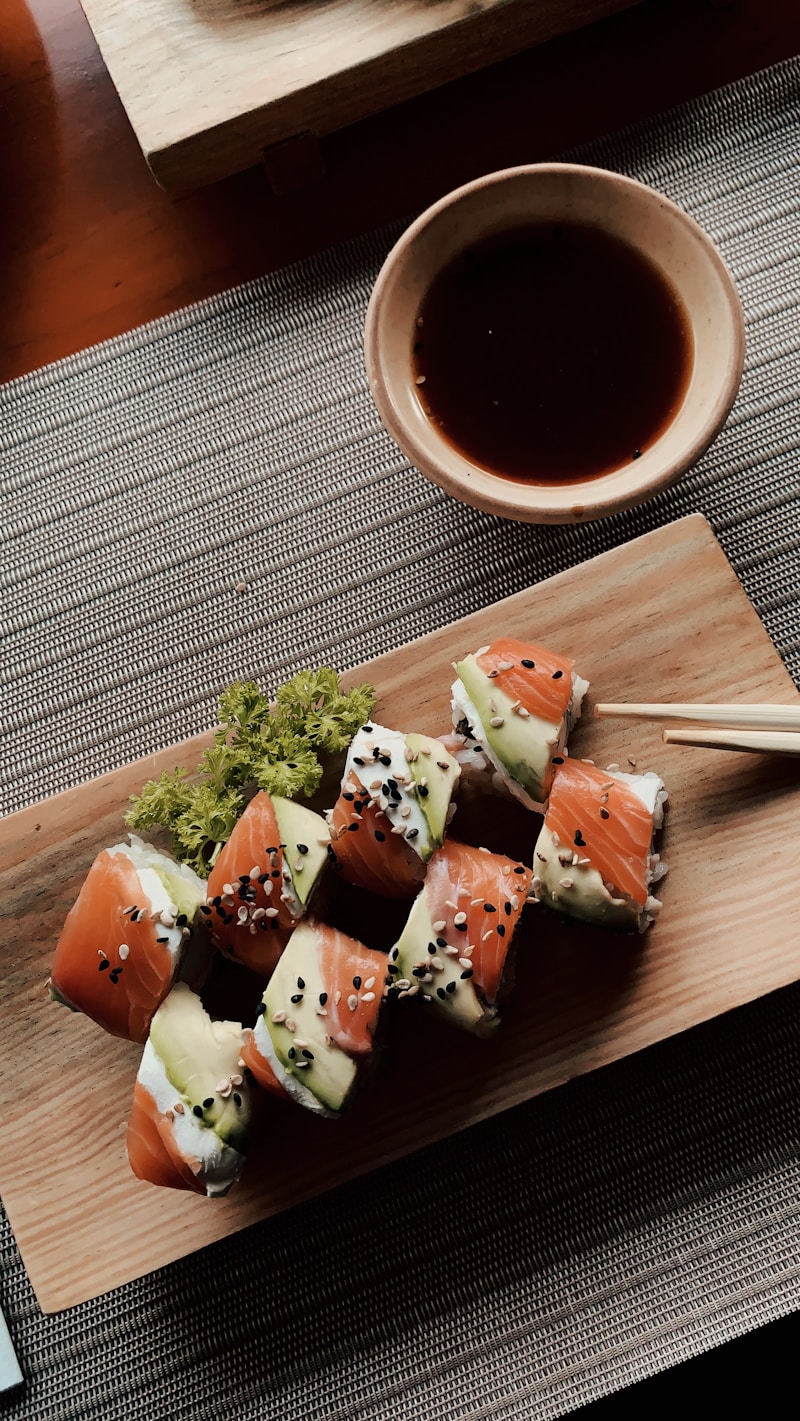
The omakase version includes rare fish that you’ve genuinely never heard of—bluefin from Toyosu Market’s premium auctions (the top 1% of fish), uni from Hokkaido, and fatty toro that melts at 37°C (body temperature).
This books out 10–12 weeks in advance. Use it as your special celebration dinner.
Practical Info: Booking Your Airbnb Experiences Tokyo Food Tour
Best season: April–May (spring vegetables) and September–October (autumn seafood). Summer is humid and crowded; winter is quieter but fewer seasonal ingredients.
Budget breakdown: Budget $1,000–1,200 total for a week in Tokyo if you do 3–4 Airbnb Experiences Tokyo food tours (approximately $150–250 each). Add $40–80 per day for additional meals, drinks, and snacks.
Booking timeline: Book 6–10 weeks ahead for popular experiences. The Michelin-rated soba/omakase and Tsukiji tours fill fastest.
Language: All these experiences are conducted in English. Some guides speak French or German too—check the listing.
Cancellation: At the time of writing, most Airbnb Experiences allow free cancellation up to 7 days before. Read the specific cancellation policy—it varies by experience.
Safety note: Tokyo is extraordinarily safe. The only genuine concern with food tours is food allergies—always disclose allergies when booking. Many restaurants can’t accommodate severe allergies in open kitchens.
What to book first: Book your Michelin experience or Tsukiji morning tour first—they fill 10+ weeks out. Then book your Depachika or street food tours 4–6 weeks ahead.
These eight experiences will cost you $1,200–1,700 total, but you’ll understand Japanese food culture in a way that reading about it or eating alone never delivers. You’ll have handwritten notes from chefs, direct access to people who’ve spent 15+ years in Tokyo’s food world, and memories that’ll actually stick. That’s worth the investment.
Start browsing Airbnb Experiences now. Seriously. The best ones disappear within hours of opening in the booking calendar. Your future self will thank you.
Explore more on Travel – Scope Digest and browse our Food and Drink section.