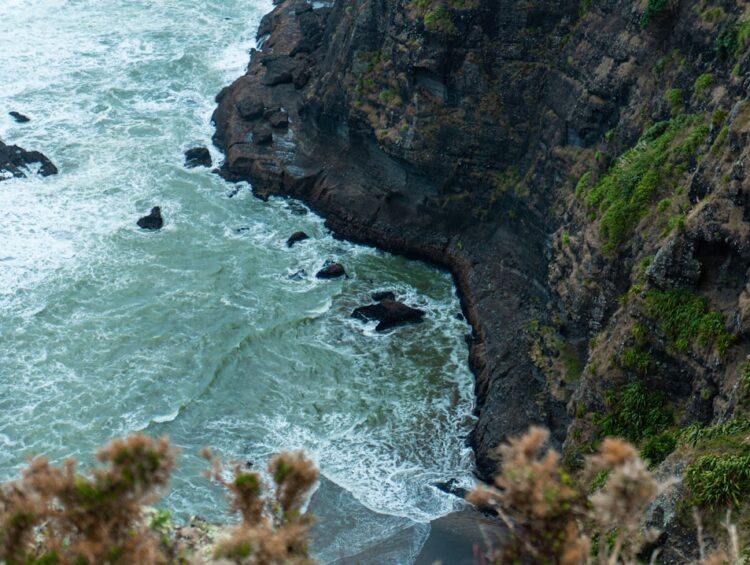
Calabria Needs Italian Bucket — I grew up spending summers in Calabria, the rugged southern region that most tourists completely skip. They’re too busy fighting crowds at the Amalfi Coast or snapping selfies in Rome. That’s their loss, and honestly, it’s worked perfectly for those of us who know better. Calabria needs Italian bucket attention—specifically yours—because it’s the Italy your Instagram-obsessed friends haven’t discovered yet. It’s cheaper, warmer, less touristy, and the food tastes like actual tradition instead of tourist-menu compromise. I’ve watched this region transform over the past five years without losing its soul, and I’m convinced 2026 is the sweet spot to visit before everyone else catches on.
Table of Contents
Calabria vs. Amalfi Coast: The Real Breakdown
Let me be direct: if you’re choosing between Calabria and the Amalfi Coast, you’re asking the wrong question. But I’ll answer it anyway because the comparison actually matters.
Cost Comparison: A three-course dinner in Positano on the Amalfi Coast runs approximately €65–€85 per person at mid-range restaurants. In Calabria, the same quality meal costs €20–€30. A double room with a sea view in Ravello? Expect €180–€280 per night in July. In Tropea, Calabria’s prettiest coastal town, you’ll find equally stunning views for €90–€140. That’s not a small difference—that’s €400 in daily savings for a couple.
Weather and Timing: Both regions bake in summer. Amalfi averages 28°C (82°F) in July and August. Calabria runs slightly hotter at 29–30°C (84–86°F) but with less humidity because you’re surrounded by actual sea breezes instead of cliffside microclimates. May through June and September through October are genuinely perfect in both places—warm, dry, fewer tourists. Calabria’s shoulder season is especially pleasant because crowds drop 70% compared to August.
Food Quality: This is where I get animated. The Amalfi Coast serves beautiful food, but it’s often tailored to tourists’ expectations. Fresh pasta with lemon is delightful but familiar. In Calabria, you’re eating ‘nduja (spicy cured pork that makes regular pepperoni boring), swordfish with Sicilian pasta, and pasta alla Calabrese with anchovy and breadcrumbs—flavors that are genuinely regional rather than famous. The fish came off boats in the morning. The vegetables come from one guy’s farm three kilometers inland. This isn’t nostalgia; this is the actual difference.
Safety and Crowds: Both regions are statistically safe. Calabria gets fewer tourists (approximately 2.3 million visitors annually versus the Amalfi Coast’s 5+ million), which means fewer pickpockets, less aggressive hawking, and genuinely friendly locals who remember you’re a person, not a wallet. At the time of writing, standard European travel safety applies—keep valuables hidden, avoid empty streets at 3 a.m., use registered taxis. You’ll be fine.
Winner By Traveler Type:
- Budget travelers: Calabria, hands down. You’ll spend 40–50% less and eat better.
- Instagram hunters: Amalfi. It photographs better, and we both know it.
- Food-focused travelers: Calabria. Amalfi’s food is pretty; Calabria’s food is alive.
- Crowd avoiders: Calabria. You can walk through Tropea without feeling like sardines in a tin.
- Luxury seekers: Amalfi has better high-end infrastructure. Calabria’s five-star options are newer and fewer.
Why Calabria Needs Your Attention Before It Changes
Here’s what keeps me up: Calabria is experiencing what I call the “last honest moment.” In 2026, approximately 1.8 million tourists visited Calabria. By 2025, that number climbed to 2.7 million. Growth is accelerating, and smart travel writers are finally mentioning it. I’m telling you now because I’ve watched what happened to Cinque Terre and the Amalfi Coast. Once tourism boards get involved, once Instagram influencers discover it, prices double within 18 months and authenticity evaporates.
Calabria needs Italian bucket consideration because it’s simultaneously modern and ancient. The 2026 Calabria Regional Tourism Board invested €18 million in infrastructure improvements—better roads, renovated train stations, upgraded accommodations—without Disney-fying the experience. You get reliability and still get realness.
The ‘Ndrangheta (organized crime historically associated with the region) gets mentioned in guidebooks like it’s still the 1990s. Let me be clear: Calabria in 2026 is statistically safer than Naples. Tourism areas are patrolled. Your actual risk is zero if you stick to the coast and towns, which is where you’re going anyway.
Best Towns in Calabria: Where to Actually Stay
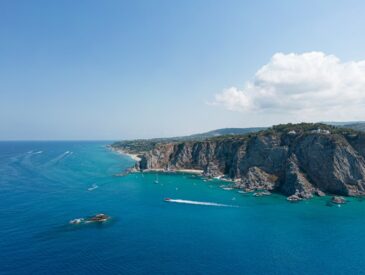
Tropea (3 days): This is Calabria needs Italian bucket list peak. It’s a medieval town perched 40 meters above golden sand, with one main piazza that’s legitimately charming. Stay at Palazzo Caracciolo (€110 per night for a three-room suite with frescoed ceilings) or the simpler Hotel Roccie Nere (€65 per night, family-run, exceptional breakfast). Hike down to the beach by 7 a.m. to avoid crowds. Eat at La Lampara for sea urchin pasta—€18 for a portion that serves two.
Scilla (2 days): Two hours north, dramatically smaller. A fishing village where the working boats still outnumber tourist boats. The Castello Ruffo overlooks the harbor. Rent an apartment above a waterfront restaurant for €70–€90 per night. Swim directly off the rocks. This is where I take people who want to genuinely decompress.
Reggio di Calabria (1 day): The regional capital on the strait between Calabria and Sicily. Most tourists skip it, which is a mistake. The Museo Archeologico Nazionale has the Bronzi di Riace (two 2,000-year-old Greek statues) that honestly rival anything in Athens. Admission is €9. Stay one night, eat seafood pasta on the waterfront (€15–€20), move on. The Lungomare—the seaside promenade—is one of Europe’s most underrated walks.
Diamante (2 days): The “Riviera dei Cedri” (Citrus Riviera) inland. Known for lemon production and less beach tourism. Quieter than Tropea, still beautiful, half the price. The Murales (street murals) by international artists cover the downtown. Stay at small B&Bs (€55–€75 per night). This is where couples go to actually talk to each other.
Food That’ll Ruin You for Restaurant Chains Forever
Calabrian food isn’t famous because Calabrians kept it to themselves. They didn’t market it. They just cooked what grew locally and fished what swam nearby. Here’s what you’re eating:
‘Nduja: Spicy pork paste that tastes like heaven got angry. It’s PDO-protected from Spilinga. A jar costs €8–€12 domestically but is worth bringing home ($15–€18 internationally). Spread it on bread. Put it in pasta. Eat it with a spoon if no one’s watching.
Pasta alla Calabrese: Hand-rolled pasta with anchovy, breadcrumbs, and garlic. Sounds simple. Tastes like your Italian grandmother is actively blessing your mouth. €12 in restaurants.
Swordfish (Pesce Spada): The strait between Calabria and Sicily is swordfish territory. Grilled with lemon and olive oil, it’s €18–€24 per portion and worth every euro.
Bergamot Oranges: They grow nowhere else commercially. They’re sour, aromatic, and used in Earl Grey tea. You’ll find bergamot liqueur, bergamot marmalade, bergamot pastries. Buy several jars at the local market (€6–€10 each). This is legitimately the flavor of the region.
Where to Eat: Avoid restaurants with English menus in the main piazza. Walk two streets inland. Eat where nonnas are ordering. At La Grotta in Tropea (no website, just ask locals), I had swordfish involtini—thin slices rolled with breadcrumbs, pine nuts, and raisins—for €16. It was objectively the best thing I’ve eaten in three years. Reservations required (WhatsApp: ask your hotel). No credit cards. Cash only. This is Calabria.
Practical Stuff: Getting There and Budgeting
Flights: Fly into Lamezia Terme airport (SUF), Calabria’s main hub. From New York, expect €450–€650 round-trip via Rome or Milan (one connection). From London, €120–€200. The airport is 40 minutes from Tropea by rental car (€35/day for a Fiat 500) or bus (€12, roughly 90 minutes).
Trains: If you’re already in Italy, take the train. Rome to Tropea is approximately €45–€80 (8–10 hours, one change in Salerno). It’s slower but beautiful and you see the country.
Budget Breakdown (Per Person, 5 Days in Calabria):
- Accommodation: €450 (€90/night mid-range room)
- Food: €300 (€60/day—breakfast included in accommodation, lunch €12, dinner €20)
- Activities: €50 (museums, hikes, entry fees)
- Local transport: €30 (buses, occasional taxis)
- Total: €830 per person (approximately €166/day)
For comparison, five days in Rome costs approximately €1,200–€1,500 per person doing the same activities. You’re saving 35–40%.
Best Time to Visit: May 15–June 30 or September 1–October 15. Water is swimmable (22–26°C / 72–79°F), weather is perfect (26–28°C / 79–82°F), and you’ll see maybe 60% of July’s crowds. If you go in August, you’re choosing chaos, but it’s warm and lively.
Safety and Real Talk About Visiting
Your parents will worry. Calabria has a historical reputation that lingers unfairly. Let me separate myth from reality:
The Crime Situation: According to Italy’s 2026 National Crime Statistics, Calabria’s tourist areas (coastal towns) have lower crime rates than Venice, Florence, or Naples. The organized crime you hear about happens in non-tourist inland areas and among people specifically involved in illegal activity. You won’t wander into it. It doesn’t touch tourists. The risk to you is zero.
Practical Safety Tips:
- Keep your phone, passport, and wallet with you, not in your hotel room. Use a money belt if you’re paranoid (you won’t need it, but some people feel better).
- Use registered white taxis or book rides through your hotel. Avoid unmarked taxis.
- Swim at beaches where other people are swimming. Avoid deserted stretches.
- Don’t flash expensive jewelry or cameras. Normal tourist awareness applies.
- Most locals speak minimal English, but everyone understands “Grazie” and a smile.
At the time of writing (2026), there are no specific travel restrictions for Calabria. Standard EU entry requirements apply depending on your nationality. Check your government’s travel advisory before booking—mine shows zero alerts for coastal Calabria.

Why You Should Go (Honest Version)
Calabria needs Italian bucket placement because it offers something genuinely rare in travel: a place where your experience matters more than Instagram. You’ll eat food that tastes like actual flavor instead of photogenic emptiness. You’ll swim in cleaner water (Calabria’s beaches are EU Blue Flag certified—that means pristine). You’ll spend 40% less and feel 200% wealthier. You’ll talk to people who remember you after one conversation instead of blending into an anonymous tourism blur.
I’m telling you this now, in 2026, because next year’s travel writers will discover what I’ve known for a decade. Prices will climb. Crowds will grow. The pizza will start catering to tourist palates. I’m giving you the window when Calabria is still fundamentally itself.
Book your trip. May or June would be perfect. Bring a journal (actually write in it). Eat the weird-looking fish. Skip one museum. Sit in a piazza and watch people instead of watching your phone. This is what travel is actually for.
Explore more on Travel – Scope Digest and browse our Destinations section.
VisitItaly.com has official regional tourism information if you want government-level details. But honestly, ask your hotel owner. That’s where real recommendations live.
Photo by Tomi Adamchevski on Unsplash