Tokyo Airbnb Packing — Booking a Tokyo Airbnb experience is thrilling—but packing for one requires strategy. Unlike hotels with housekeeping and front desks, Tokyo Airbnb stays demand thoughtful preparation. Whether you’re staying in a minimalist Shibuya loft or a traditional ryokan-style apartment in Asakusa, this Tokyo Airbnb packing guide will ensure you bring exactly what you need and leave behind what you don’t.
Table of Contents

Climate and Seasonal Packing for Tokyo Airbnb Stays
Tokyo’s weather swings dramatically across seasons. Your Tokyo Airbnb packing strategy must account for this. Spring (March-May) and autumn (September-November) are mild—think layers with a light jacket. Summer (June-August) is hot and humid; plan for breathable fabrics and rain gear. Winter (December-February) requires proper outerwear, though snow is rare.
What to pack by season:
- Spring: Lightweight sweaters, cardigans, comfortable walking shoes, small umbrella
- Summer: Cotton shirts, shorts, sandals, high SPF sunscreen, moisture-wicking undergarments
- Autumn: Long-sleeve shirts, jeans, sneakers, light blazer
- Winter: Wool coat, thermal layers, closed-toe boots, gloves, scarf
Most Tokyo Airbnb accommodations lack central heating or cooling, so layer flexibility is crucial. Pack versatile pieces that work across multiple outfits and temperatures.
Tokyo Airbnb Essentials: The Must-Haves List
When preparing your Tokyo Airbnb packing list, prioritize items that maximize comfort in shared or compact spaces. Here are non-negotiable essentials:
Documents and Money:
- Passport and copies
- Travel insurance documents
- IC card or Suica card (Japan’s transit card)
- Credit cards and cash (Japan is still largely cash-based)
Technology:
- Phone charger and power adapter (Japan uses Type A plugs)
- Portable power bank
- Laptop or tablet
- Universal travel adapter
Toiletries and Health:
- Prescription medications
- Basic first-aid kit (band-aids, pain relievers, allergy medication)
- Toothbrush and toothpaste
- Deodorant (surprisingly hard to find in Japan)
- Shampoo and conditioner (many Tokyo Airbnb units provide these, but verify)
- Skincare products (Japanese brands differ from Western formulations)
- Feminine hygiene products (not widely stocked in convenience stores)
Clothing Basics:
- 5-7 days of underwear (laundry facilities vary)
- 2-3 pairs of comfortable walking shoes
- Socks (crucial for temple visits and traditional accommodations)
- Sleepwear
- One nicer outfit for dining out
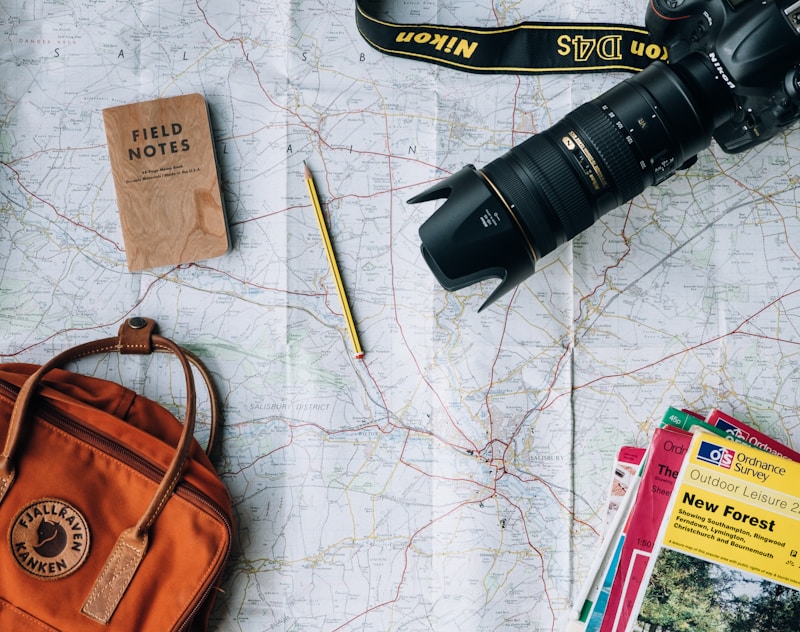
Smart Packing for Shared Tokyo Airbnb Spaces
Many Tokyo Airbnb experiences involve shared kitchens, bathrooms, or common areas. Pack with consideration for communal living:
Kitchen Items (if not provided):
- Reusable water bottle or travel mug
- Small cutting board and knife (if planning to cook)
- Tupperware for leftovers
Bathroom Courtesy Items:
- Small washcloth or towel (hosts may not provide)
- Shower shoes (hostels and guesthouses often require these)
- Hair tie and clips
- Nail clippers
General Shared Space Etiquette Pack:
- Earplugs and eye mask
- Quiet headphones
- Quick-dry hand towel
- Plastic bags for damp items
Many experienced Tokyo Airbnb travelers recommend bringing your own pillowcase and lightweight sleeping liner—Japanese pillows are often firm and filled with buckwheat, which takes adjustment.
What to Skip When Packing for Tokyo Airbnb
Space is precious in Tokyo apartments. Ruthlessly eliminate these items:
Don’t Pack:
- Excessive shoes: Tokyo Airbnb hosts request shoe removal indoors. Bring 2-3 pairs maximum.
- Heavy cosmetics: Japanese drugstores (Daiso, Don Quijote) stock affordable makeup, skincare, and haircare. Buy on arrival.
- Hairdryer: Most Tokyo Airbnb units provide one. Verify in listing details.
- Bulky guidebooks: Use Google Maps, Tabelog (Japanese Yelp), and travel apps instead.
- Multiple pairs of jeans: One pair suffices. Laundry services are affordable.
- Formal wear: Tokyo restaurants don’t enforce strict dress codes. Pack smart-casual only.
- Voltage converters for high-wattage items: Japan’s 100V system can’t handle US hair straighteners. Leave these at home.
- Excessive snacks: Japanese convenience stores are ubiquitous and stock quality snacks.
Pro Tips for Tokyo Airbnb Packing Success
Laundry Strategy: Most Tokyo Airbnb units have washing machines but no dryers. Pack moisture-wicking fabrics and quick-dry underwear. Alternatively, use coin laundromats (sentaku-ya) throughout the city—they’re cheap and efficient.
The 80/20 Rule: Pack 80% of what you think you need. Tokyo’s compact size means you can easily buy forgotten items at any of the thousands of convenience stores or department stores like Isetan or Mitsukoshi.
Luggage Size Matters: Tokyo Airbnb entrances are often narrow, and staircases cramped. A rolling suitcase under 22 inches works best. Many travelers prefer a large backpack for easier navigation.
Respect Host Requests: Read your Tokyo Airbnb listing carefully. Some hosts prohibit certain items or have specific packing requests. Communication before arrival prevents last-minute stress.
Currency and IC Cards: Arrive with ¥10,000-15,000 cash minimum. Buy a Suica or Pasmo IC card (available at airports) immediately—they work on trains, buses, and in shops. This single item simplifies your entire Tokyo Airbnb experience.
Download Essential Apps: Before departure, download Google Translate, Google Maps, Suica app (digital IC card option), and Tabelog. They’re invaluable when you don’t have a guidebook.
Packing smartly for your Tokyo Airbnb stay means prioritizing comfort, respect for shared spaces, and flexibility. With this checklist, you’ll arrive prepared without lugging unnecessary weight through Tokyo’s charming, crowded streets. Explore more destination guides or check out our travel tips and hacks for additional international packing advice.
Ready to book? Research your specific Tokyo Airbnb listing’s amenities, message your host with packing questions, and trust that Japan’s incredible retail scene will cover any forgotten items. Happy travels!
Explore more on Travel – Scope Digest and browse our Tips and Hacks section.
For official information on traveling to Japan, visit Japan Official Travel Bureau.
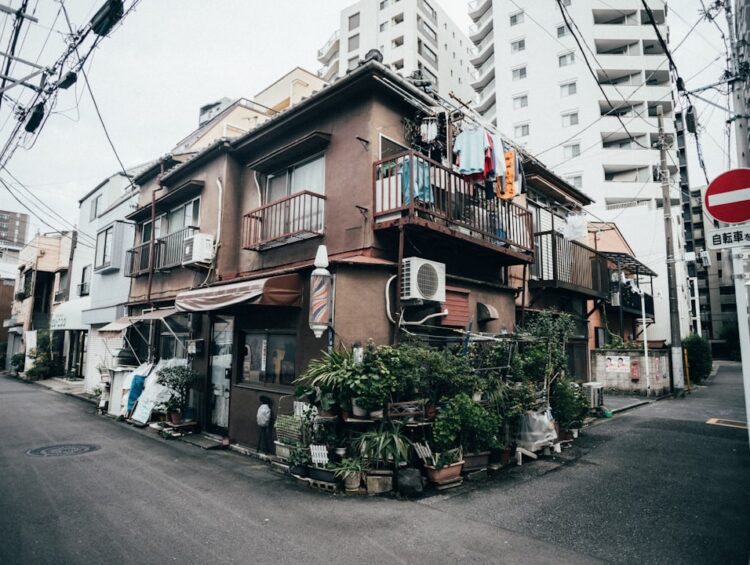
Photo by Tsuyoshi Kozu on Unsplash