
Table of Contents

Why London Underground Travel Deserves Its Own Ranking
The London Underground — affectionately known as the Tube — carries over 1.3 billion passengers a year across 11 lines and 272 stations. That’s a network so vast, so layered in history and personality, that each line genuinely feels like a different travel experience. The deep, musty tunnels of the Central line feel nothing like the bright, airy platforms of the Jubilee line. The chaos of Oxford Circus is a world away from the village-like charm of stops on the District line’s western reaches.
We ranked all 11 lines across four key criteria: reliability, comfort, scenery and interest, and usefulness for tourists and travellers. The results? Controversial, definitive, and absolutely worth bookmarking before your next London trip. For a broader look at navigating the city, check out our destination travel guides packed with tips for every type of explorer.
The Top 3 Lines: London Underground Travel at Its Best
🥇 #1 — Jubilee Line: The Gold Standard
No serious debate about London Underground travel ends without the Jubilee line coming out on top. Upgraded in the late 1990s ahead of the millennium, its stations are architectural showcases. Canary Wharf station — with its soaring glass canopy — feels more like a cathedral than a commuter hub. Westminster station is an industrial cathedral of exposed concrete and deep shafts that has appeared in countless films. The line is wide, air-gap safe, punctual, and runs parallel glass platform doors that make the whole experience feel genuinely 21st century. For tourists, it connects Waterloo, London Bridge, Canary Wharf, and Stratford — a near-perfect tourism spine.
🥈 #2 — Elizabeth Line: The New Champion
Technically the Elizabeth line (formerly Crossrail) is the newest addition to the network, and it arrives like a five-star hotel crashing a budget hostel party. Enormous trains, step-free access at most stations, exceptional connectivity from Heathrow through central London to Shenfield — this line has transformed London Underground travel for airport arrivals and westward journeys. The caveat? It still feels slightly separate from the classic Tube experience. Give it a few years and it may take gold.
🥉 #3 — Overground (East London Section): Underrated Gem
Riding above ground through Shoreditch, Dalston, and Hackney, this line offers something the deep-tunnel lines simply cannot: daylight. You see London, feel its neighbourhoods shift, and arrive at your destination without that underground daze. It’s also served some of the most exciting food and culture scenes in the city for over a decade.

The Middle Tier: Solid, Dependable, Occasionally Delayed
#4 — Northern Line: Two Branches, Infinite Chaos, Great Coverage
Love it or loathe it, the Northern line takes you from Morden in the south to Edgware and High Barnet in the north, threading through the beating heart of central London — Charing Cross, Leicester Square, Bank. It’s vital. It’s also chronically busy, and the split-branch timetable confuses even seasoned London Underground travel veterans. But the stations are historic, the coverage is unmatched, and at least you’ll never be far from one.
#5 — Victoria Line: Speed Demon
Pure, efficient speed. The Victoria line runs one of the most reliable and frequent services on the entire network. Connecting Victoria (for trains and coaches), Oxford Circus, King’s Cross, and Brixton, it punches far above its visual weight. The only reason it doesn’t rank higher? It’s a relatively short, straight line without much personality. Functional excellence over flair.
#6 — District Line: Surface Charm
For visitors staying in West London, the District line is a lifeline — wide, surface-level in places, and connecting Kensington museums, Chelsea, Fulham, and Richmond. On a sunny day, stretches near the Thames feel almost like a tram ride through a genteel European city. Delays, however, are more common than on deeper lines.
The Bottom of the Ranking: London Underground Travel Frustrations
#7–#9 — Central, Bakerloo, Metropolitan
The Central line is swelteringly hot in summer — notoriously so, with temperatures regularly exceeding 30°C in the tunnels. Useful, yes. Comfortable, no. The Bakerloo line is ageing, narrow, and running stock from the 1970s that creaks its way through south and central London. Charming in a retro way, exhausting in a practical one. The Metropolitan, the world’s very first underground railway, earns respect for history but loses points for infrequency outside peak hours.
#10–#11 — Circle and Hammersmith & City
Technically the same line for much of their route, both suffer from low frequency and a tendency to bunch together, leaving platforms empty then suddenly overwhelmed. For London Underground travel beginners, these lines look deceptively useful on the map. In practice, a bus is often faster. According to Time Out London’s Underground guide, the Circle line also has one of the highest complaint rates of any service on the network.
Pro Tips for Mastering London Underground Travel
Before you disappear underground, here are five tips that will transform your London Underground travel experience:
- Use contactless — Your debit or credit card works exactly like an Oyster card and caps automatically. No queuing for tickets.
- Travel after 9:30am on weekdays for significantly reduced fares.
- Download Citymapper, not just Google Maps — it accounts for real-time disruptions and suggests bus alternatives.
- Stand on the right on escalators unless you want very pointed looks from Londoners in a hurry.
- The Jubilee line platforms have digital displays showing exact wait times — arrive early, check the board, breathe.
Want to plan your full London itinerary around the Tube? Browse our budget travel guides for accommodation and day-trip inspiration within easy reach of every line.
Final Verdict
Explore more on Travel – Scope Digest and browse our Tips and Hacks section.
London Underground travel is a rite of passage for any global traveller — imperfect, iconic, and endlessly fascinating. The Jubilee line takes the crown, the Elizabeth line is the future, and the Central line will age you prematurely in summer. Now go explore — just maybe avoid the Bakerloo at rush hour.
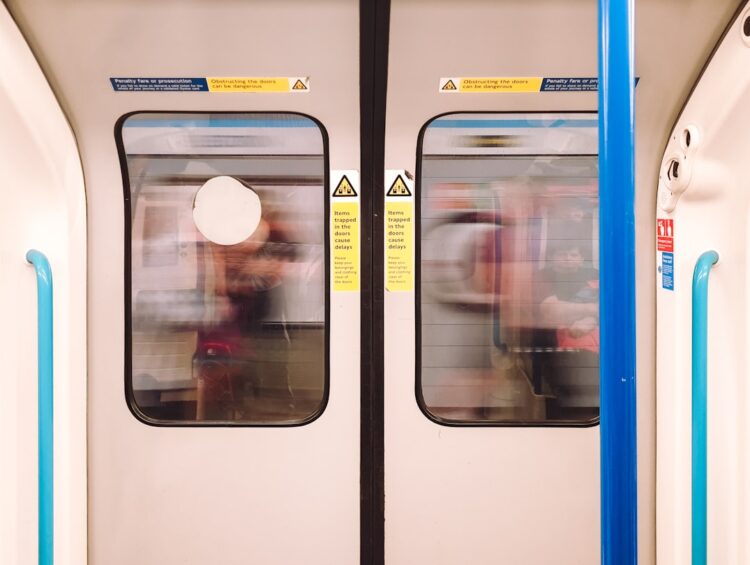
Photo by Percy Smith on Unsplash