Table of Contents
Where Locals Actually Spend Their August
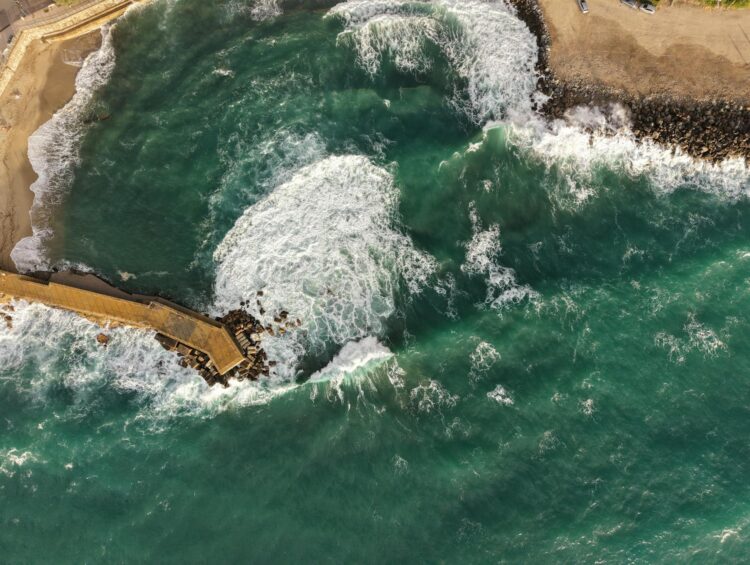
Forget Tropea. Yes, it’s beautiful—those pastel buildings tumbling down to turquoise water are genuinely stunning—but it’s also where 8,000 tourists crowd into a town of 6,500 residents every peak season. The locals? They’re in Scilla, a fishing village 45 kilometers north, where the Tyrrhenian Sea crashes against volcanic rock and the main piazza still smells like fish being sold at 6 a.m., not espresso for tourists.
Scilla’s Marina Grande waterfront comes alive at sunset around 7:15 p.m. in July and August. There’s a specific reason: the fishermen return with their catch, families descend for the cooler evening air, and someone always has music playing from a restaurant terrace. You’ll see the same 40 faces every night. That’s not a drawback—that’s the point. The lido (public beach section) costs nothing to access, though grabbing a chair and umbrella runs about €8 per day. The water temperature peaks at approximately 28°C in August.
If Scilla feels crowded—and it does some nights—push further to Bagnara Calabra, 12 kilometers down the coast. This town of 9,400 people has maintained a working fishing economy that doesn’t feel performative. The Lungomare walk runs 2.3 kilometers along the waterfront, and locals actually jog and walk it at dawn. You’ll see old men casting lines from the rocky breakwater. No Instagram captions needed.

Calabria Getting Taste Unspoiled Through Street Food
This is where the region actually shines, and honestly, it’s the main reason to come. The food here isn’t sanitized for tourists because restaurants don’t need to be—Calabrians cook for themselves first, visitors second.
Start with ‘nduja, a spreadable pork salami that tastes like someone liquified spice and pork fat in the best possible way. You’ll find this at any market, but the specific move is to buy it direct from producers at the San Giorgio Market in Reggio Calabria (open 6 a.m. to 2 p.m., Monday through Saturday). There’s a stall run by a woman named Antonietta who’s been selling her family’s ‘nduja for 28 years. A 250-gram package costs €6.50. Spread it on bread, warm it into pasta, or eat it on a spoon. I’m not exaggerating when I say I’ve done all three in one afternoon.
Swordfish is the protein here—it’s caught locally, grilled simply, and costs about €18-24 per plate at family-run spots. But the real locals’ move is buying it fresh from the morning boats and grilling it at home. If you’re staying in an Airbnb with a terrace, this is your move. The fishermen at Bagnara’s port sell directly to residents between 6:30 and 7:30 a.m.; approximately 3 kilos costs €28-35.
Pasta alla Calabrese isn’t a specific dish—it’s a category. What matters: the pasta is often made with wheat grown within 80 kilometers, and the sauce uses ingredients from someone’s garden. Ristorante da Enzo in Scilla (you’ll need to ask locals for the exact location—it has no sign, no website, just a phone number they’ll give you) charges €12 for a pasta dish that includes house wine. You eat at a wooden table, sometimes with strangers, and you don’t have a choice of what’s for dinner. That’s the point.
Bergamot oranges are Calabria’s hidden luxury—the region produces 90% of the world’s supply, but almost none stays in Italy. If you visit between October and December, buy them at the market for €3-4 per kilogram and make your own marmalade or just eat them. The juice tastes like floral citrus.
Free Events and Festivals You Won’t Find Online
The Festa di San Giorgio happens August 23-24 in Bagnara, and it’s legitimately chaotic in the best way. There’s a procession carrying a statue through narrow streets at 4 p.m., then fireworks over the water at 10:45 p.m. This isn’t a tourist event—it’s a religious and cultural thing that happens whether outsiders show up or not. The streets close to cars, vendors sell roasted corn and fried fish, and approximately 3,000 people—mostly residents—celebrate. Entry is free. You just show up.
The Reggio Calabria waterfront (Lungomare Falcomatà) has free concerts roughly every two weeks during June, July, and August. These are small productions—a local band, some amplified speakers, chairs set up on the promenade. Shows start around 8:30 p.m. and last 90 minutes. Check with your accommodation’s owner or a local bar for dates; they’re rarely announced online.
Weekly markets operate in almost every town. Scilla’s is Tuesday and Friday mornings (6 a.m. to 1 p.m.) in the Piazza San Rocco. These aren’t tourist attractions—they’re where locals buy vegetables, cheese, and fish. You can eat boiled octopus from a street vendor for €4. This is genuinely good food, not “street food for tourists.”
How to Actually Live Like a Local Here
First, understand the rhythm: everything stops between 1 and 4 p.m. Shops close, restaurants close, people go home. Don’t fight this. That’s when you eat the main meal, rest in the heat, and let the day slow down. Around 5 p.m., things reopen, and that’s when life resumes. Dinner happens around 8:30 p.m. or later.
Stay in an apartment, not a hotel. Websites like Lonely Planet’s Calabria guide recommend hotels, but locals rent apartments to each other and increasingly to travelers. A one-bedroom apartment in Scilla or Bagnara rents for approximately €500-750 per month in summer, or €35-50 per night if booked short-term. This gives you a kitchen, washing machine, and the ability to shop at markets and cook what you bought.
Use the local bars, not cafes designed for tourists. There’s a difference. You sit at the counter, order an espresso (€1.10), chat with whoever’s next to you, and leave. The bar becomes your third place. In Scilla, Bar Tropicana on Via Roma has been running for 24 years and costs less than tourist spots because that’s not what it is.
Learn approximately 15 Italian phrases. Not for politeness—though that matters—but because English really isn’t spoken much in villages. “Dove posso comprare pesce?” (Where can I buy fish?) opens doors. Literally.

The Real Cost of Calabria Getting Taste Unspoiled
A family of three can eat extremely well for €35-45 per day if you’re cooking half your meals and eating out simply the other half. A dinner at a proper restaurant (not a tourist trap) runs €16-28 per person, including wine. A cocktail at a beach bar costs €6-8. A grocery shop trip for breakfast, lunch ingredients, and snacks costs approximately €30-40 per person per day.
Accommodation is the variable. A decent apartment: €35-60 per night. A hotel room: €70-120. A luxury beachfront place: €150+. Transportation within the region is cheap—buses run between towns for €2-4. Train tickets from Reggio Calabria to Tropea cost approximately €8 one-way.
The best time to visit is June 15 to July 15, or September 1 to 30. August is peak heat and peak crowds. Water temperature in June is approximately 24°C and climbs to 28°C by August. May and October are underrated—the weather’s perfect (23-26°C water), prices drop by about 30%, and Calabrians are actually outside instead of hiding from heat.
At the time of writing (2026), no visa is required for US, UK, EU, or Australian citizens for stays under 90 days. Check your specific citizenship requirements before booking.
The honest truth: Calabria getting taste unspoiled is still possible, but it requires you to move slower than you probably do at home. No rushing between Instagram spots. No trying to “do” the region in four days. You come here, you sit, you eat what’s in front of you, you talk to people who’ve lived here their whole lives, and you actually understand why they haven’t left. That’s the unspoiled part—not the absence of tourists, but the presence of a place that hasn’t bent itself into a tourist shape yet.
Explore more on Travel – Scope Digest and browse our Destinations section.
Go in June. Rent an apartment. Shop at markets. Eat where locals eat. Skip Tropea for Scilla. Stay a month if you can, two weeks minimum. This region moves on its own schedule, and you’ll either sync with it or fight it. The ones who sync with it are the ones who come back.
Planning a trip on a budget?
Japan in 14 Days — flights, hotels, food, transport, and a full 2-week itinerary included.