Table of Contents
- Skip the Tourist Tram and Use Locals-Only Transit
- Timing Your Tips in Portugal: When to Travel Like an Insider
- Eat Where Lisbon Actually Eats: The €6-€9 Lunch Rule
- Free Wine Tastings and Tips in Portugal Wine Country
- The Museum Card Trick That Cuts Admissions in Half
- Beach Towns: Skip the Algarve Trap
Skip the Tourist Tram and Use Locals-Only Transit
Everyone knows about Lisbon’s famous Tram 28. You know what else everyone knows? That it costs €6 per single ride, and you’ll spend 45 minutes queuing just to get on. I watched a group of 8 tourists spend €48 just to ride it for 20 minutes, taking selfies the entire time.
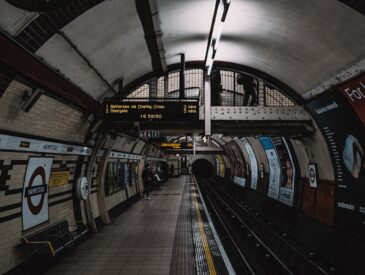
Real tips in Portugal from locals: Buy a Viva Viagem card (the rechargeable transit card) and load it with €40. A single metro or bus ride costs €1.50 during off-peak hours, €1.80 at peak times. That same €40 gives you 22-27 trips. The 24-hour unlimited pass costs €10.65—genuinely good value if you’re moving around constantly.
The actual move? Take the regular buses that tourists ignore. Bus 758 does basically the same route as Tram 28, costs €1.50, has empty seats, and you actually see the city instead of fighting for camera angles. The Carris Lisboa app shows real-time arrivals; download it before you arrive.
For Porto, the same Viva Viagem card works. Regional trains to Sintra cost €3.50 return via the CP app (Comboios de Portugal). That’s 70% cheaper than joining a tour group.

Timing Your Tips in Portugal: When to Travel Like an Insider
Portugal’s peak season (June-August) is a trap. Hotels charge 2.5x what they do in April or October. Airbnb listings in Lisbon’s Alfama neighbourhood jump from €65/night in May to €180/night in July. It’s not subtle.
The real tips in Portugal timing hack: Visit in late April, May, September, or early October. I’m talking about identical weather—25-28°C, blue skies—but €800-€1,200 cheaper for the same two-week trip. The bonus? You can actually walk into restaurants without reservations made three weeks prior.
September is weirdly perfect. Schools have restarted in the UK and Central Europe, so families disappear. You get the warm weather (average 26°C), the Atlantic is still swimmable (21°C), and Lisbon feels like a functioning city, not a theme park. Hotel rates are 35-45% lower than summer prices.
February-March is the budget sweet spot if you’re flexible with weather. Average temperatures sit around 16-18°C—bring layers—but accommodation costs drop 50-60% compared to peak season. I stayed in a beautiful guesthouse in Cascais for €35/night in late February. Same place was €95 in June.
Eat Where Lisbon Actually Eats: The €6-€9 Lunch Rule
This is where most tourists get fleeced. A pasta plate in the Baixa (downtown) costs €14-€18. Two blocks away? The exact same dish costs €6-€7. The difference isn’t the food—it’s the zip code and the tourists.
Tips in Portugal dining: Learn the word prato do dia (dish of the day). Every non-touristy restaurant—tascas, they’re called—serves a three-course lunch for €8-€10. Soup, a protein with two sides, and usually a dessert. This isn’t budget food; it’s how Portuguese people eat.
Hunt for restaurants where you see Portuguese people eating lunch between noon and 2pm. Download the Google Maps app and sort by “highest rated” in neighbourhoods like Príncipe Real, Marvila, or Alcântara. Skip anything within 500 metres of the Tagus waterfront in Belém—you’re paying 40% more for the view.
Algarve restaurants in towns like Olhão (a fishing port) still charge €9-€12 for grilled fish with sides. Same fish in tourist-facing Lagos costs €22-€28. The fish quality is identical; the location cost isn’t.
One specific move: Visit market halls like Ribeira Market in Porto or Mercado da Ribeira in Lisbon at lunch time. 15 small food stalls run by actual cooks, 30-seat common dining area. Get grilled squid, rice, salad, and a drink for €11. The ingredients are fresher than 90% of restaurants.
Free Wine Tastings and Tips in Portugal Wine Country
Douro Valley estates charge €15-€30 per person for tastings. What they don’t advertise: If you buy a bottle (€12-€25 for genuinely excellent wine), the tasting is often comped or applied toward the purchase.
Tips in Portugal wine regions: Visit smaller quintas (estates) in the villages, not the famous ones on the main road. Quinta do Crasto near Pinhão charges €10 and gives you five wines plus a plate of cheese and cured meats. I’ve tasted better wines at 60% of the cost of the famous names.
The real hack? Many wineries don’t advertise English-language tastings, so they have far fewer tourists. Call ahead via the Portuguese tourism website (visitportugal.com) and ask for provas sem grupo (small group tastings). You’ll often find €12-€15 tastings that aren’t listed online.
For Vinho Verde (the young, slightly sparkling white wine), skip the branded tourist estates. Go to local wine bars in Braga or Guarda and ask the bartender what they’re drinking. A glass costs €3-€4, and you’ll discover producers that don’t export.
The Museum Card Trick That Cuts Admissions in Half
A single museum in Lisbon costs €10-€15. If you’re planning to visit 3+ museums (which most people do), the Lisboa Card is genuinely worth it. A 48-hour card costs €40 and includes entry to 39 museums plus unlimited public transport. That’s €1.25 per museum on average. A single entry to the Museu Calouste Gulbenkian costs €12 alone.
Tips in Portugal museum visits: Here’s what travel sites don’t tell you—many museums have free hours. The Museu de Arte Antiga offers free entry every first Sunday of the month from 10am-2pm. The MAAT (Museum of Art, Architecture and Technology) is free every first Sunday. That’s at least €24 saved per month if you’re there.
For Porto, the Porto Card works the same way. €13 for 24 hours, covers 13 museums and all transport. Compare that to the Torre dos Clérigos alone (€6), or Livraria Lello bookstore (€5). Three museums already cost €16.
One more move: Many churches and monasteries don’t charge admission, but they’re far more architecturally stunning than paid museums. Jerónimos Monastery is €12, but the interior is genuinely breathtaking. Igreja de São Francisco in Porto is €5 and the interior rivals anything in Rome.
Beach Towns: Skip the Algarve Trap
The Algarve is Portugal’s most famous beach region. It’s also where €30 mojitos meet €180/night hotels. I watched a couple spend €4,200 on a week there and admit they felt rushed and oversold.
Tips in Portugal beach travel: The Algarve’s west coast (around Sagres and Vila do Bispo) is 60% cheaper than the central Algarve and has better beaches—actual cliffs, fewer crowds, more character. A guesthouse in Sagres costs €55-€75/night versus €120-€160 in Albufeira for an equivalent room.
Skip the Algarve entirely and go north to the Silver Coast (Costa de Prata). Ericeira, Peniche, and Nazaré are 90 minutes north of Lisbon, have legitimate beaches (not resort pools masquerading as beaches), and accommodation averages €50-€70/night year-round. Seafood is fresher, meals are cheaper (€7-€11), and you’ll meet actual Portuguese families on weekends.
The Cape Verde islands off the coast have cheaper flights from Lisbon (€80-€120 return on budget airlines like Ryanair) than flying back to the UK. If you’re already in Portugal, this is worth considering as a side trip.
Getting Around: Bus vs. Train Math
Renting a car in Portugal costs €35-€50/day plus €8-€12/day for insurance. Gas costs approximately €1.50/litre. For two weeks, you’re looking at €700-€900 just in rental and fuel before tolls and parking.
Tips in Portugal intercity travel: FlixBus routes between major cities cost €8-€18 one-way. Lisbon to Porto is €12. Lisbon to the Algarve is €15. Yes, buses take longer (9 hours to Porto vs. 3 hours by train), but if you’re not in a rush and you’re budget-conscious, it saves €60-€120 on a typical two-week itinerary.
Regional trains via the CP app are the sweet spot. Lisbon to Cascais: €3.50 return. Lisbon to Sintra: €3.50 return. Porto to Aveiro: €8 return. These trains run every 15-30 minutes and are genuinely pleasant.
For longer distances, book 5-7 days in advance via the CP website. A Lisbon-to-Porto ticket costs €15-€25 at full price, but €8-€12 if you book early for less popular times. The 6:15am train is always cheaper than the 3pm train.
Real talk: Renting a car makes sense if you’re exploring rural areas like the Douro Valley or interior Alentejo region for 5+ days. Otherwise, the bus-and-train combo is faster, cheaper, and you don’t stress about parking in Lisbon’s nightmare street system.

The bottom line: Portugal is genuinely affordable, but the moment you follow the obvious tourist trail, prices jump 50-70%. These tips in Portugal work because locals know them and keep them quiet. The transit card, the prato do dia, the September timing, the wine villages—these are how Portuguese people travel. Follow their lead, and your money stretches further than you’d think. You’ll also actually experience Portugal instead of queuing for TripAdvisor’s top 10 attractions.
Explore more on Travel – Scope Digest and browse our Tips and Hacks section.
For more detailed regional information, check the official Visit Portugal tourism board, which has practical guides without the fluff.
Photo by Felicia Varzari on Unsplash
Planning a trip on a budget?
Japan in 14 Days — flights, hotels, food, transport, and a full 2-week itinerary included.