Table of Contents
The Tokyo Airbnb Authenticity Myth Debunked
Everyone tells you the same story: skip the corporate hotels and stay in a Tokyo Airbnb to experience authentic Japan. Charming neighborhood homes, local interactions, hidden gems only residents know about. Sounds perfect, right? The reality is messier.
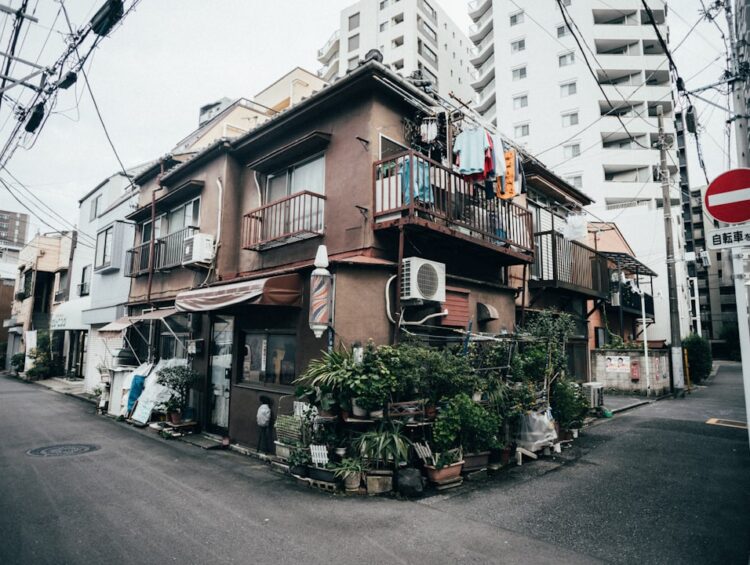
The authenticity promise of Tokyo Airbnb listings often oversells what you’ll actually experience. Many properties are managed by professional companies, not local families. You’ll arrive to find standardized amenities, generic decor, and instruction manuals in five languages—hardly the intimate cultural immersion promised in the listing photos. Meanwhile, neighborhoods popular with Tokyo Airbnb tourists have become tourist zones themselves, defeating the purpose of seeking authenticity.
Here’s what actually happens: you get a clean, functional space (usually), but the “local experience” often means living next to other tourists who booked the same popular Tokyo Airbnb listings. The genuine neighborhood vibe evaporates when your street has five vacation rental signs per block.

The Legal Gray Zone Nobody Warns You About
Here’s what travel blogs conveniently gloss over: Tokyo Airbnb rentals operate in a legal gray area that could affect your stay. Japan’s Residential Leasing Business Law (enacted 2018) restricts short-term rentals to 180 days per year, and many properties require registration with local authorities.
Many Tokyo Airbnb listings don’t comply with these regulations. While it’s rare for tourists to face consequences, hosts sometimes cancel last-minute when facing enforcement. Others operate unlicensed, which means zero consumer protections, no liability insurance, and no recourse if something goes wrong. You could arrive to find your reservation canceled with minimal notice.
This legal complexity is rarely mentioned in glowing Tokyo Airbnb reviews, yet it’s fundamental to understanding the risks of booking these properties. Hotel stays, by contrast, operate with full legal compliance and consumer protection guarantees.
When Tokyo Airbnb Actually Makes Sense
Before you dismiss Tokyo Airbnb entirely, let’s be honest: there are legitimate reasons to book one. Long-term stays (2+ weeks) offer better value than hotels and provide kitchen access for self-catering. Groups of 4+ travelers often find Tokyo Airbnb pricing competitive for splitting costs across multiple bedrooms.
Tokyo Airbnb works best when your expectations align with reality. You’re not seeking authentic neighborhood life—you’re seeking a comfortable base with more space and flexibility than a hotel room offers. That’s a perfectly valid reason to book.
The sweet spot for Tokyo Airbnb? Booking in residential neighborhoods outside the tourist core (Koenji, Nakano, Kichijoji) rather than Shibuya or Shinjuku. These areas genuinely feel less touristy, though you’ll sacrifice walkability to major attractions. Longer stays also reduce the proportion of time spent sorting logistics, making the accommodation feel less transactional.
Better Alternatives Beyond Tokyo Airbnb
Tokyo’s hotel market offers more variety than travelers realize. Business hotels (“business hotels,” not the English term) provide clean, functional rooms for ¥4,000-7,000 nightly—often cheaper than Tokyo Airbnb in central locations. You get housekeeping, front desk support, and zero legal risk.
Capsule hotels and hostels offer budget options with unexpected charm. Ryokan experiences, while pricier, deliver the cultural immersion that Tokyo Airbnb promises but rarely delivers. Japanese-style guesthouses sit between hotels and Tokyo Airbnb—small, owner-operated properties with character and personalized service.
Lonely Planet’s Tokyo accommodation guide catalogs options beyond Airbnb with verified information and traveler reviews, offering perspective that comparison sites sometimes lack.

Making Your Tokyo Airbnb Work: Practical Tips
If you’ve already booked Tokyo Airbnb or decide to proceed, here’s how to maximize the experience while managing expectations:
Read reviews obsessively. Look beyond star ratings for specific details about neighborhood noise, actual kitchen functionality, and check-in logistics. Red flags: vague photos, new listings with no reviews, descriptions that oversell authenticity.
Communicate with hosts early. Ask about neighborhood recommendations, local transport tips, and house rules before arriving. Hosts who respond thoughtfully usually manage Tokyo Airbnb properties more carefully.
Book strategically. Avoid peak tourism seasons (cherry blossom season, New Year, summer holidays) when prices spike 30-50% and neighborhoods become overcrowded. Tokyo Airbnb rates drop 20-40% during shoulder seasons (April-May, September-October).
Location matters more than listing photos. Book in neighborhoods that genuinely interest you, not where algorithms say tourists congregate. A Tokyo Airbnb in quiet Shimokitazawa beats a central location you’ll spend evenings avoiding.
Have a backup plan. Keep contact information for nearby hotels with availability. If your Tokyo Airbnb cancels or fails to meet expectations, you’ll want quick alternatives.
For more information, see Lonely Planet.
The Bottom Line on Tokyo Airbnb
Tokyo Airbnb isn’t inherently bad—it’s just overmysterious. The myth isn’t that it’s a terrible option; the myth is that it’s magically different from hotels. It’s an accommodation choice with specific advantages (space, kitchens, longer-stay pricing) and genuine disadvantages (legal gray zones, host-dependent service, tourist concentrations).
The travelers who get most from Tokyo Airbnb are those who book with realistic expectations: a functional space with more independence than hotels, not a guaranteed gateway to authentic Japan. That authenticity comes from how you spend your time exploring Tokyo, not where you sleep at night.
Ready to book your Tokyo trip? Explore more Asia destination guides to compare Tokyo with other incredible Japanese cities worth visiting. Your best trip comes from informed decisions, not travel myths.
Explore more on Travel – Scope Digest and browse our Tips and Hacks section.
Save this post. When friends ask where to stay in Tokyo, send them this reality check. The travel industry profits from myths; you deserve the truth.
Photo by Tsuyoshi Kozu on Unsplash
Planning a trip on a budget?
Japan in 14 Days — flights, hotels, food, transport, and a full 2-week itinerary included.