Table of Contents
The French Riviera vs. Italian Riviera: Head-to-Head Comparison
Here’s the thing about the Riviera divide—both coasts claim to be the culinary heartland of Mediterranean Europe, and both are right. But they’re fundamentally different experiences, and your choice matters.
Cost Breakdown
The French Riviera costs approximately 35–45% more than the Italian side. A three-course dinner at a mid-range Michelin restaurant in Antibes or Cannes runs €85–130 per person. Cross into Liguria, and you’re looking at €55–85 for equivalent quality. Hotels tell the same story: a decent four-star property in Nice averages €240/night in summer (June–August), while a comparable place in Portovenere sits around €160/night. If you’re staying 7 nights, that’s roughly €560 in savings before you’ve even ordered an aperitif.
That said, France has more top-end luxury hotels (89 five-star properties on the French Riviera vs. 23 in Liguria), so if you’re chasing ultra-premium experiences, France’s inflated prices partly reflect that scarcity.
Weather and Timing
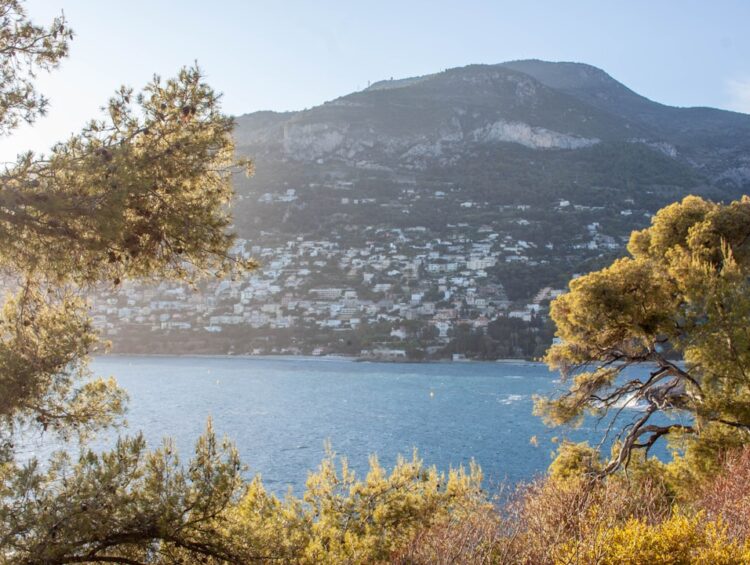
Both regions share similar Mediterranean climates, but the windows are tighter on the Italian side. The French Riviera enjoys approximately 300 days of sunshine annually and stays pleasant from April through October. Summer (July–August) is warm but crushingly crowded—Nice receives roughly 5 million visitors per year, with the bulk arriving during those 8 weeks. Spring (April–May) and fall (September–October) offer 70–75°F days, half the tourists, and better restaurant availability.
The Italian Riviera has similar sunshine hours but feels the summer squeeze even more acutely. Cinque Terre and Portofino become almost unnavigable in August. However, the payoff is real: September through early October is magical here, with water temperatures around 72°F, small-town charm still intact, and restaurants serving heirloom tomatoes and fresh pasta at their peak.
Food Culture and Restaurant Scene
The French Riviera is Michelin’s kingdom. There are 27 Michelin-starred restaurants between Monaco and Antibes—nearly one per 8 kilometers of coastline. This creates a formal, competitive dining culture. Reservations are often required 60+ days ahead for top tables. The food leans toward technique-forward French cuisine with Mediterranean influences, but you’ll find heavy cream sauces and complex reductions.
The Italian Riviera is about simplicity and ingredient obsession. Ligurian cuisine relies on 8–12 core ingredients: basil, garlic, olive oil, anchovies, pine nuts, tomatoes, seafood, and pasta. There are only 2 Michelin-starred restaurants in the entire Liguria region (compared to France’s 27). Instead, you get family-run trattorias that have been serving the same pesto recipe for 60 years. Many don’t take reservations. You just show up and eat. It’s less pretentious, more genuine.
Safety and Logistics
Both regions are exceptionally safe. Crime rates in Nice and Genoa are lower than Paris or Rome. Pickpocketing happens in touristy zones (Nice’s Promenade des Anglais, Portofino’s harbor), but violent crime is virtually nonexistent. At the time of writing, both regions require standard EU/Schengen travel protocols—US, Australian, and Canadian citizens get 90 visa-free days.
The French Riviera has superior infrastructure: direct flights from 40+ cities to Nice Airport (40km from town), excellent train connections (Nice to Paris in 5.5 hours), and a dense network of hotels and restaurants. The Italian Riviera requires more planning—nearest major airport is Genoa (100km from Portofino), train connections are slower, and accommodation fills up faster in summer.

Where Chefs Eat a Guide: Colagreco’s French Riviera Favorites
Colagreco’s French Riviera rotation is surprisingly unglamorous for a man who runs a three-star restaurant. He doesn’t spend his nights at Guy Savoy or Alain Ducasse’s places (though he respects them). Instead, he gravitates toward spots that most food tourists miss entirely.
Lérins Islands Seafood Shacks (Île Sainte-Marguerite, Cannes)
A 15-minute ferry from Cannes (€12.50 return) takes you to this protected island where Colagreco frequently disappears for lunch. The seafood restaurants here operate on a different timeline than the mainland—no reservations, no dress codes, just grilled fish caught that morning. Expect to pay €22–35 for a whole grilled dorado or sea bass, with crusty bread and local Provence rosé. The lack of pretension is exactly why he goes.
La Merenda (Vieux Nice)
This tiny 12-seat bistro in Old Town Nice serves traditional Niçoise cuisine—salads, stockfish, pasta. Chef Dominique Alessandri works without a reservation system; you queue or come back. Colagreco has publicly stated this restaurant reminds him why simplicity matters. Two courses run €18–24. The discipline required to nail a perfect salade niçoise (with exactly four anchovies, no more) fascinates him.
Le Rossettum (Menton)
Three kilometers from Mirazur, this casual seafood spot serves fried fish, pasta, and daily specials for €16–28. Colagreco eats here roughly twice monthly. The chef, Thierry Bosc, sources fish from the same boats Colagreco uses, so it’s a natural research and relationship-building spot. You’ll see him at the bar on quiet Tuesday lunches.
Restaurant Bacon (Cap d’Antibes)
Since 1928, Bacon has been Riviera royalty—four generations, same family. Colagreco goes for their bouillabaisse (€68 per person) and their relationship with local fishing families. The restaurant buys exclusively from 12–14 boats that work the waters between Antibes and the Îles de Lérins. Dinner reservations are essential (book 45 days ahead).
Where Chefs Eat a Guide: His Italian Riviera Hotspots
This is where things get interesting. Colagreco visits the Italian Riviera approximately 8–10 times per year, and he’s built genuine friendships with three generational chefs there. He’s less interested in Michelin accolades on the Italian side and more interested in technique that’s been refined over decades without external validation.
Belforte (Portovenere)
A harborfront restaurant run by the Basso family for 52 years, Belforte serves trofie al pesto (hand-rolled pasta with basil sauce) that Colagreco has publicly called “the pesto I measure all others against.” The head chef, Paolo Basso, uses basil from a single supplier in nearby Monterosso—same farmer for 31 years. A full dinner costs €45–65 and requires booking 30 days ahead. Colagreco often takes private chef guests here for education, not just meals.
Enoteca Boccaperta (Genoa)
This isn’t waterfront dining—it’s a wine bar and standing-room eatery in Genoa’s Porto Antico district serving focaccia, pansotti (ravioli with walnuts), and small plates for €8–16. Colagreco goes for the energy, the lack of formality, and the 340-label Italian wine list. He’s been quoted saying: “You remember the meals where nobody’s pretending. This is one of those places.” No reservations; expect a 15–20 minute wait on weekends.
Ivo Camere (Cinque Terre, Vernazza)
A tiny 20-seat trattoria literally built into the harbor cliffs of Vernazza. Three courses cost €28–38 (local catch, fresh pasta, dessert). The chef, Ivo Camere, learned to cook from his grandmother and has never left the village. Colagreco visits twice yearly, always unannounced. The restaurant has no website, no phone booking system. You walk in or you don’t eat. Colagreco has called this “the purest expression of place-based cooking I know.”
Pino Luongo’s Table (Portofino, Private Connection)
Legendary restaurateur Pino Luongo maintains a small private dining setup in Portofino where Colagreco occasionally gets invited. This isn’t a public restaurant—it’s accessed through personal introductions. But it represents the highest level of Italian Riviera hospitality: ultra-personal, ingredient-driven, no fixed menus. If you’re serious about eating where chefs eat a guide to insider culture, this is the apex. Budget €120–180 per person if you somehow get invited.

The Rivalry: Which Riviera Wins for Food Lovers?
Honest answer? It depends on what kind of food lover you are.
Pick the French Riviera if you value technical mastery, formal dining experiences, and seeing how top chefs interpret classic French technique through Mediterranean ingredients. You’ll eat well—27 Michelin stars don’t lie—but you’ll pay for that prestige. Budget €150–250 per person for dinner at a starred restaurant, plus €200–350/night for decent lodging. The experience is curated, professional, and occasionally sterile.
Pick the Italian Riviera if you want to understand how food functions in real life—how a family cooking for 50 years develops the intuition that no culinary school teaches. The food is less “impressive” on Instagram but more memorable in your bones. A week on the Italian side costs roughly 35% less than France. You’ll eat authentic three-course meals for €35–50, stay in charming hotels for €130–180/night, and actually remember conversations with servers instead of just photographing plates.
Here’s Colagreco’s implicit hierarchy: he eats in France professionally (his restaurant exists in that ecosystem), but he eats in Italy spiritually. When he closes Mirazur for his annual two-week break, he goes to Liguria, not the Côte d’Azur.
Winner by traveler type:
- Luxury/Status-Conscious Travelers: French Riviera. Three Michelin stars, famous names, Instagram-worthy settings.
- Food Obsessives: Italian Riviera. Less polished, more authentic, better value for serious cooks studying technique.
- Budget-Conscious Travelers: Italian Riviera. Save 35–40% on food and lodging without sacrificing quality.
- First-Time Mediterranean Visitors: French Riviera. Better infrastructure, easier logistics, more English speakers, more options if plans change.
- Return Visitors/Foodies: Italian Riviera. More discovery, fewer tourists, deeper local connections.
Practical Details: Timing, Costs, and How to Book
Best Months to Visit (When Chefs Actually Cook)
Forget June, July, August. Everyone makes the same mistake. Spring (April 15–May 31) and fall (September 15–October 31) are when the regions actually breathe. Restaurants aren’t exhausted, ingredients are at peak, and you can actually move through towns.
- April–May (French Riviera): 68–75°F, asparagus and early seafood, 40% fewer tourists than summer.
- September–October (Italian Riviera): 70–75°F, peak tomato/basil season, Cinque Terre becomes walkable again. This is chef season.
Realistic Weekly Budget
French Riviera (per person):
- Lodging: €1,680–2,100/week (€240–300/night for mid-range hotels)
- Food: €700–980/week (€100–140/day mix of casual and one Michelin meal)
- Transportation: €150–200 (car rental or trains)
- Weekly Total: €2,530–3,280
Italian Riviera (per person):
- Lodging: €910–1,190/week (€130–170/night)
- Food: €420–560/week (€60–80/day, quality equal to France)
- Transportation: €100–150
- Weekly Total: €1,430–1,900
The Italian Riviera saves you roughly $1,100–1,380 per week per person—money better spent on travel itself or an extra week abroad.
How to Actually Book Where Chefs Eat
Don’t use TripAdvisor for restaurant hunting. Instead:
- Michelin Guide: Official Michelin website lists all starred restaurants with booking links. Most require 60-day advance reservations.
- Resy or TheFork: Both apps let you book restaurants without the 60-day penalty. TheFork especially useful for Italy (€15–25 discount vouchers common).
- Call directly: Seriously. Restaurant Bacon’s direct number: +33 4 93 61 50 02. Staff speak English, accommodate dietary restrictions, and you sound more serious than an online form.
- Hotel concierge: Legitimate hotels have relationships with restaurants and can often get you in places claiming “full.” Worth the value if you’re spending €300+/night.
- Local guides: On the Italian side, hire a €120/day local food guide through Airbnb Experiences. They’ll take you to places tourists literally cannot find. Worth it for 2 days of your trip.
Safety and Practical Travel Notes
Both regions are safe, but exercise standard precautions. Pickpockets work the Nice train station (750,000 travelers annually, high-value targets), so secure bags and wallets. Portofino harbor in August feels chaotic but safe—just crowded. ATMs are reliable everywhere; both regions use euros. Restaurants accept cards universally, though some small Italian trattorias still prefer cash.
Arrive with basic French or Italian phrases. “Buongiorno, avete un tavolo?” (Good morning, do you have a table?) unlocks doors more than English does. Service in France is formal; service in Italy is warm. Tipping isn’t obligatory either place, but 5–10% for exceptional service is normal.
How to Experience What Colagreco Experiences
You won’t eat exactly where he eats—some spots require connections—but you can follow his philosophy. Spend 60% of your food budget on casual meals (€15–35) in places without reservation systems. Spend 30% on one serious Michelin meal (€90–180). Spend 10% on market food and takeaway. Eat lunch at 12:30pm and dinner at 8:30pm. Talk to servers about what came in that morning. Ask for house wine instead of ordered bottles.
When chefs ask themselves “where do I actually want to eat?” they choose places where the cook is solving real problems—sourcing seasonal ingredients, building relationships with suppliers, cooking for repeat customers instead of Instagram followers. You can taste the difference immediately. That’s the insight underlying every recommendation Colagreco makes.
Explore more on Travel – Scope Digest and browse our Food and Drink section.
The Riviera isn’t a single destination; it’s a choice between two philosophies. France is mastery; Italy is mastering simplicity. Both are worth your time, but if you only get one trip, honest assessment: go to Italy in September. Spend less money, eat more authentically, and come home with stories instead of just photographs. That’s where chefs eat a guide tells the real story.
Additional Resources: Michelin Guide Official Restaurant Database | Liguria Tourism Board
Photo by Kamilla Isalieva on Unsplash
Planning a trip on a budget?
Japan in 14 Days — flights, hotels, food, transport, and a full 2-week itinerary included.